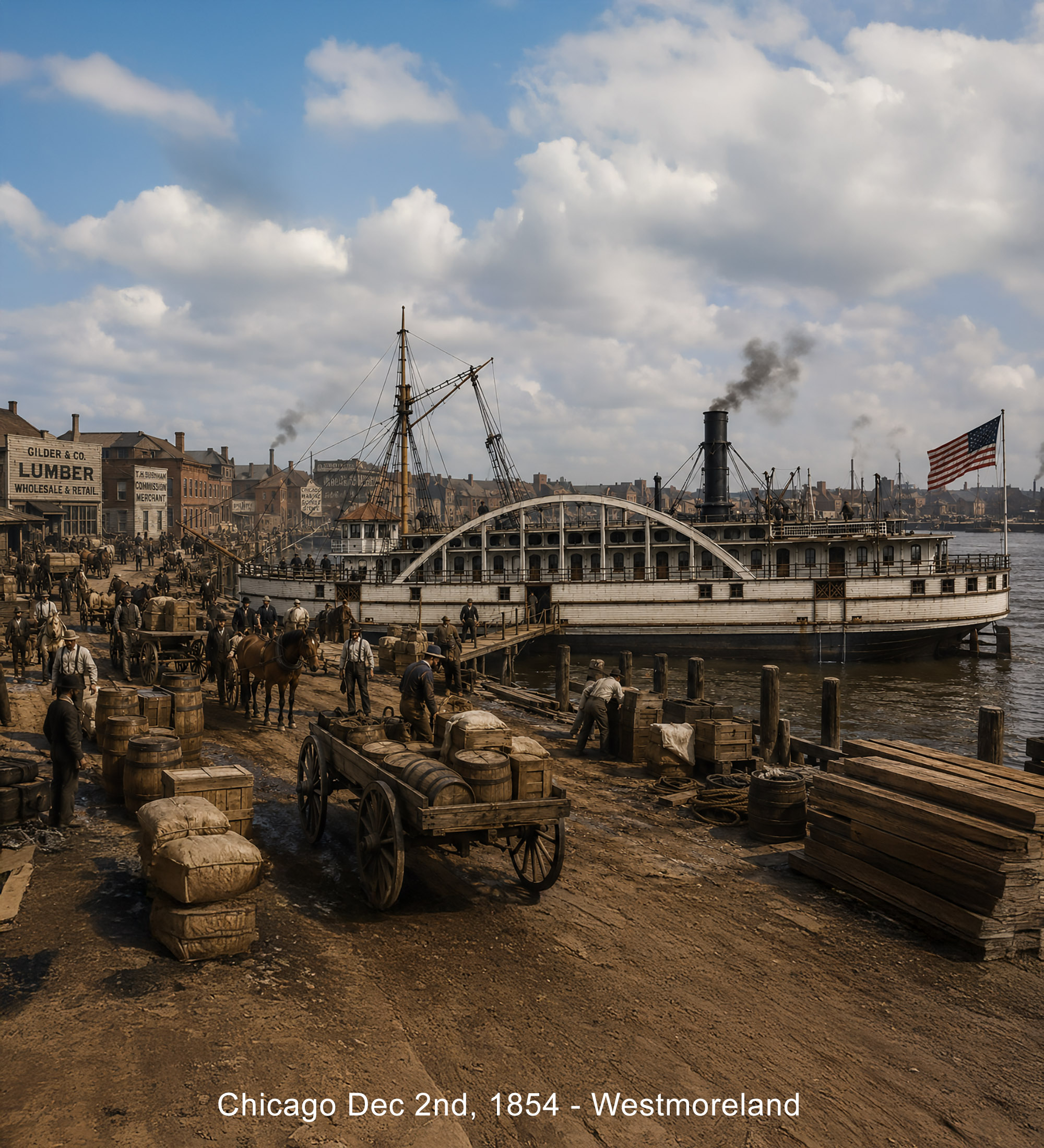
Winter had settled over Chicago, yet along the waterfront the business of the city continued beneath the cold December sky. The wharves were crowded with the commerce of the Great Lakes, with warehouses standing close behind docks cluttered with barrels, sacks, crates and wagons waiting their turn to be unloaded. Horses strained against their harnesses as they pulled heavily laden carts over the rough approaches, while dockworkers moved freight from shore to the vessels lying alongside the wooden piers. The creak of tackle, the rumble of iron-rimmed wagon wheels and the calls of men working the docks mingled with the hiss of escaping steam and the steady sounds of machinery.
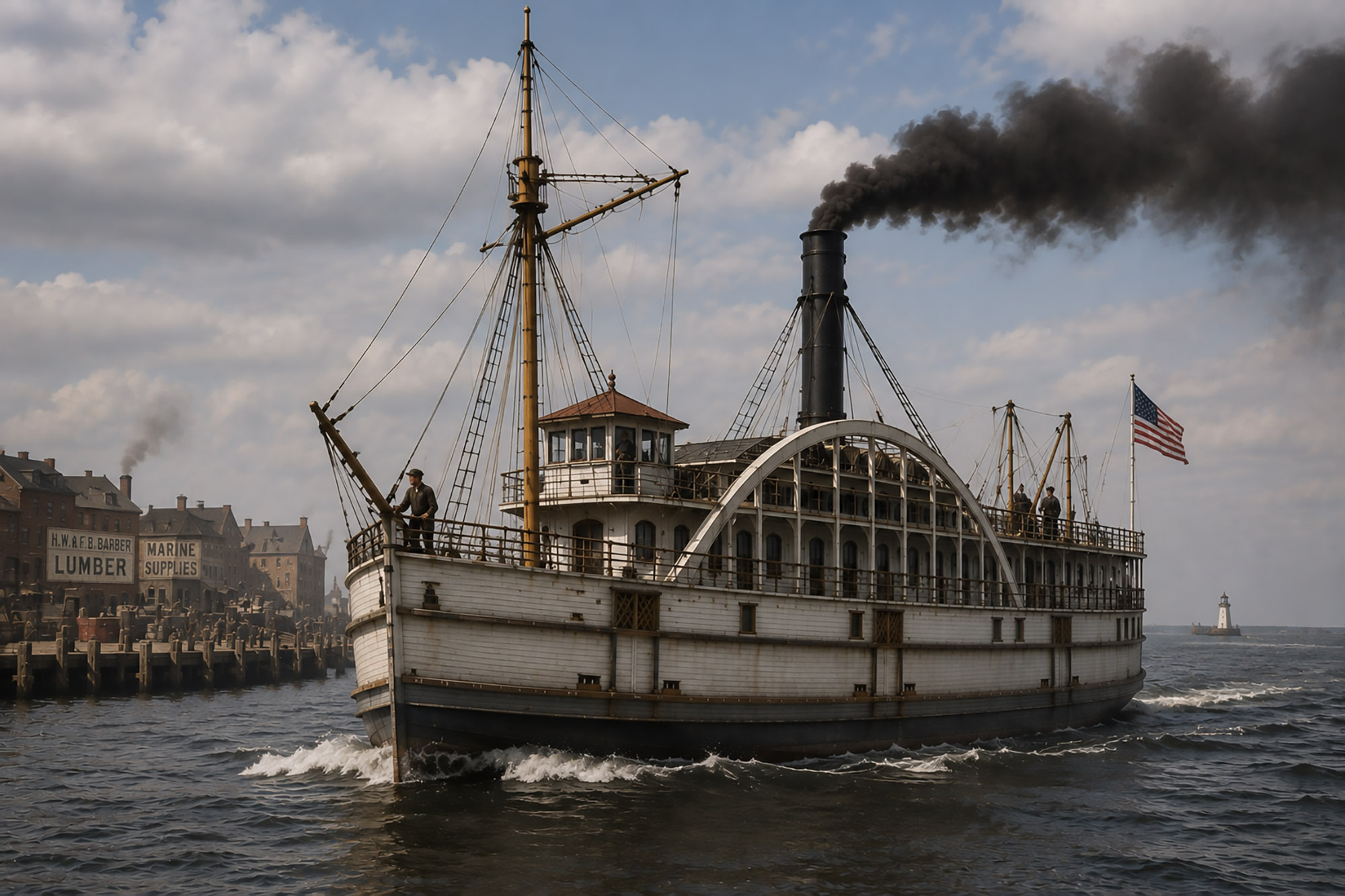
Smoke rose from factory chimneys and the stacks of steam vessels, lingering in the cold air before drifting across the waterfront. The smell of burning wood and coal mixed with wet timber, grain, livestock and the dark water beneath the docks, creating the familiar atmosphere of a busy Great Lakes port. Among the vessels preparing to depart that Saturday was the nearly new wooden propeller steamer Westmoreland.
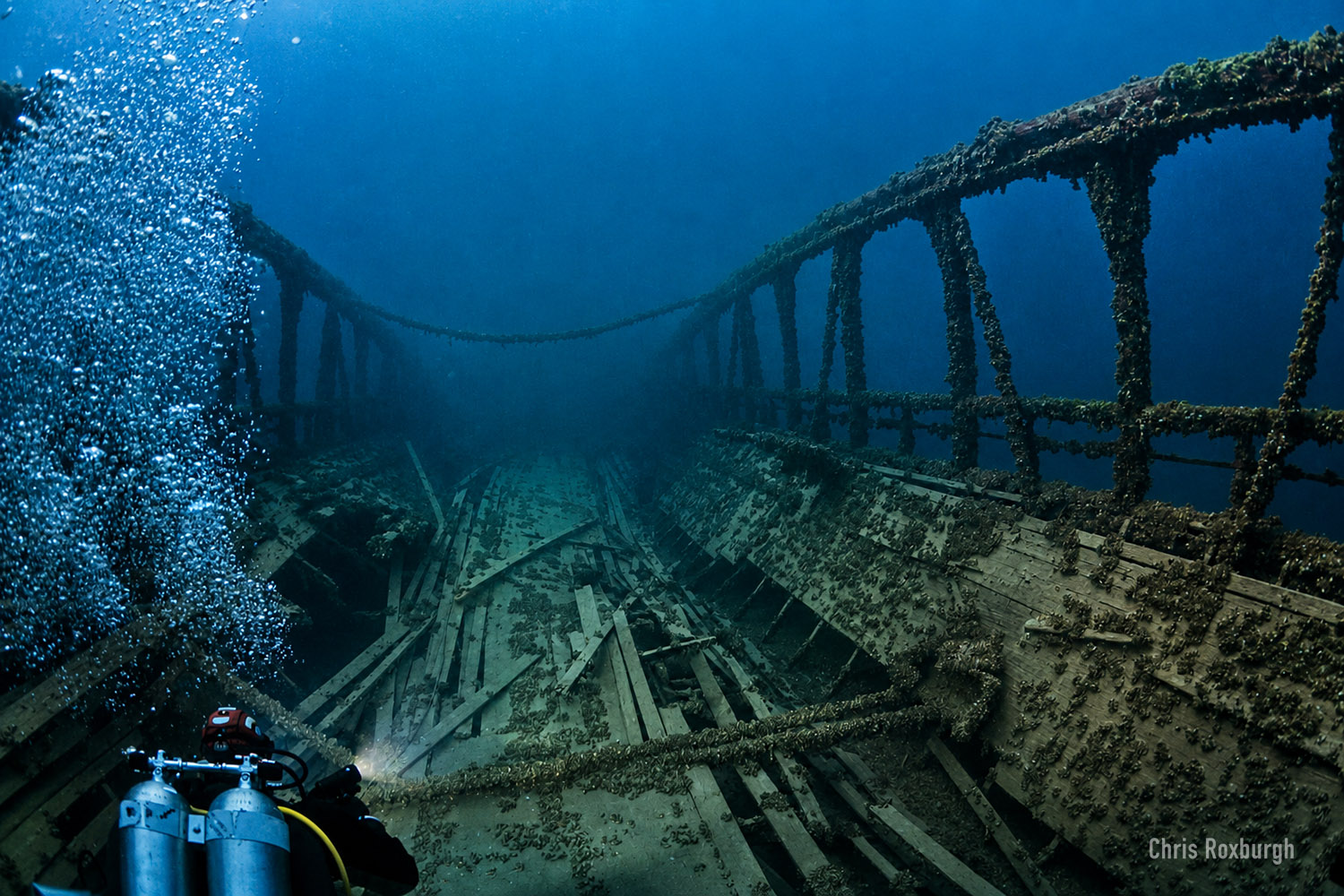
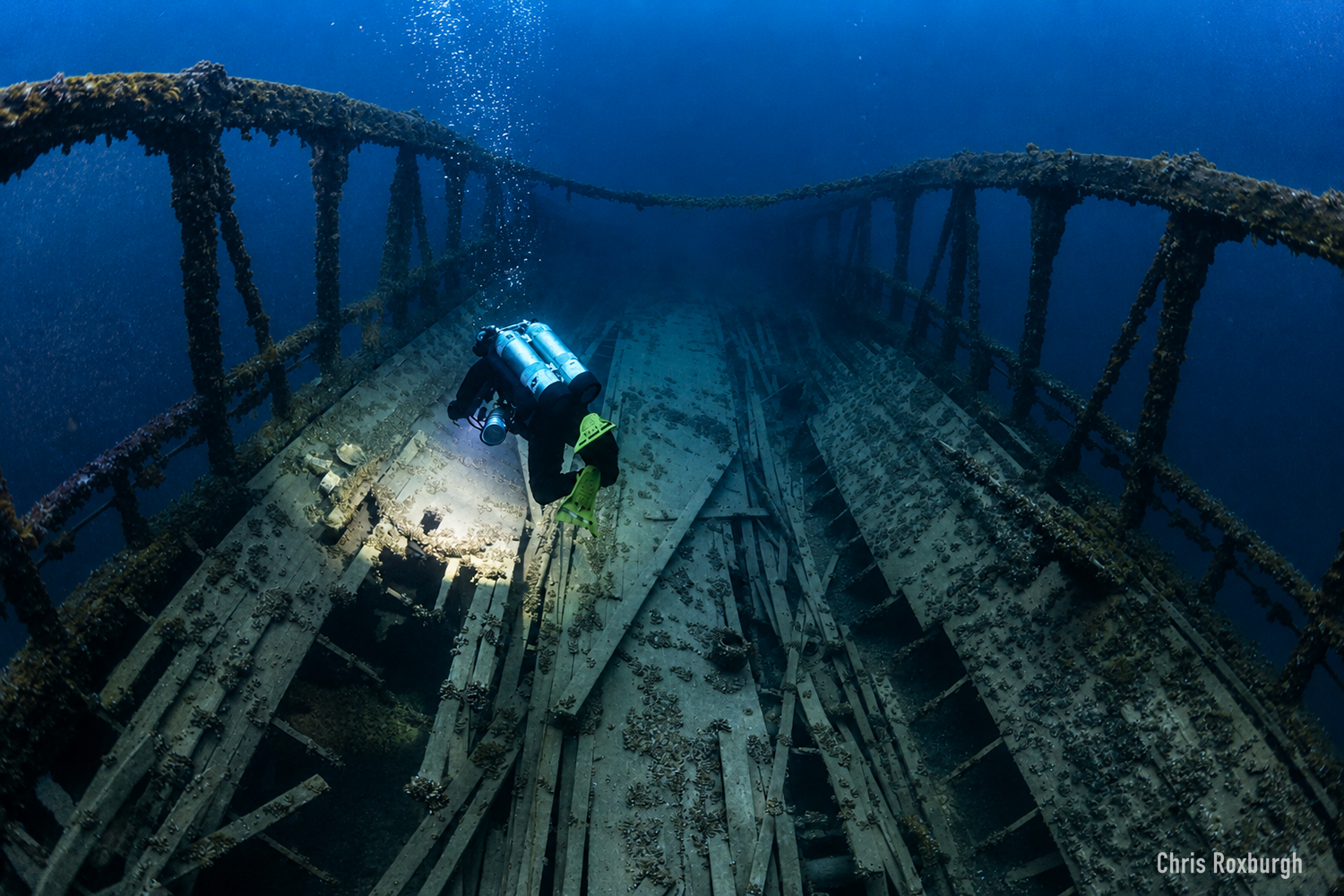
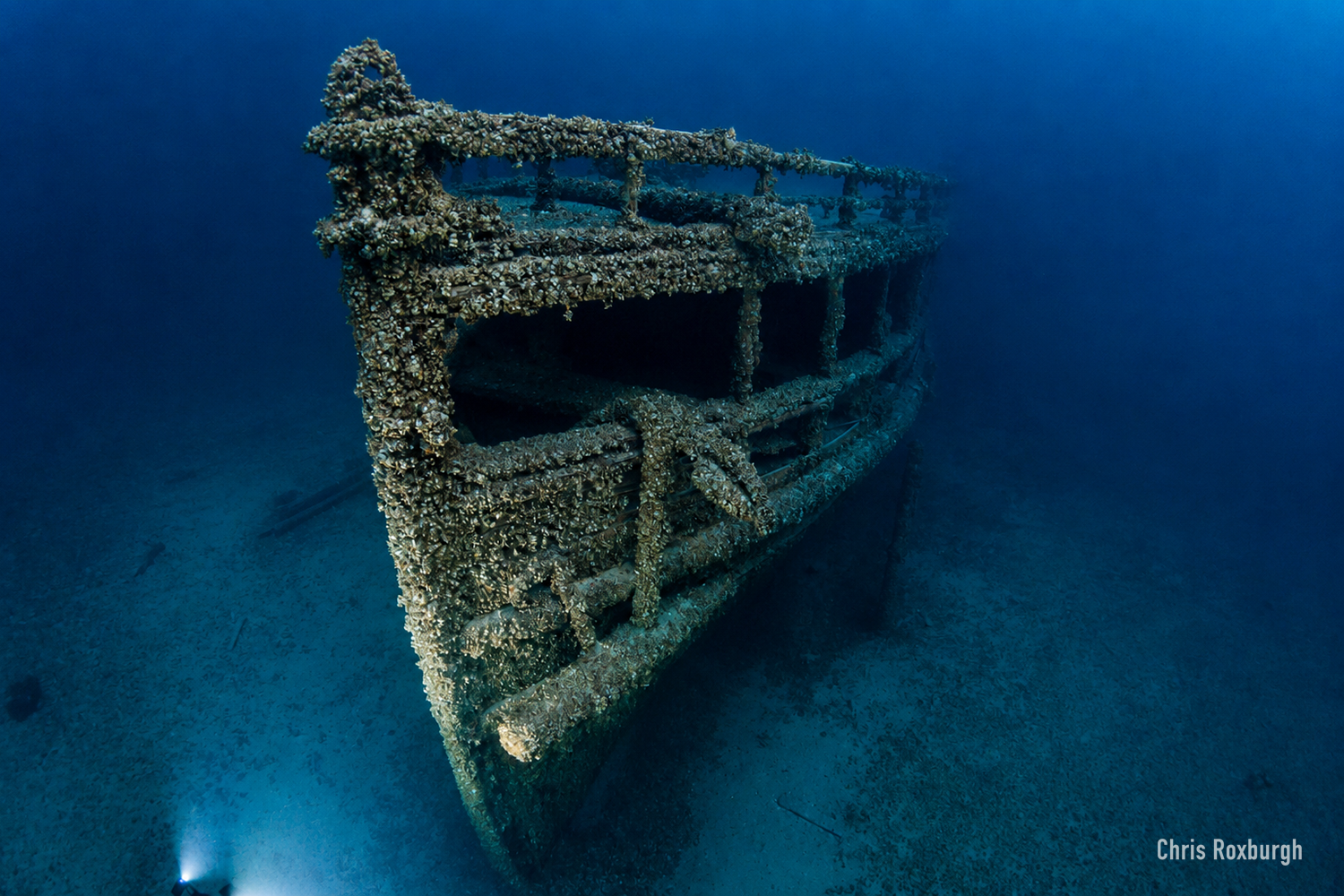
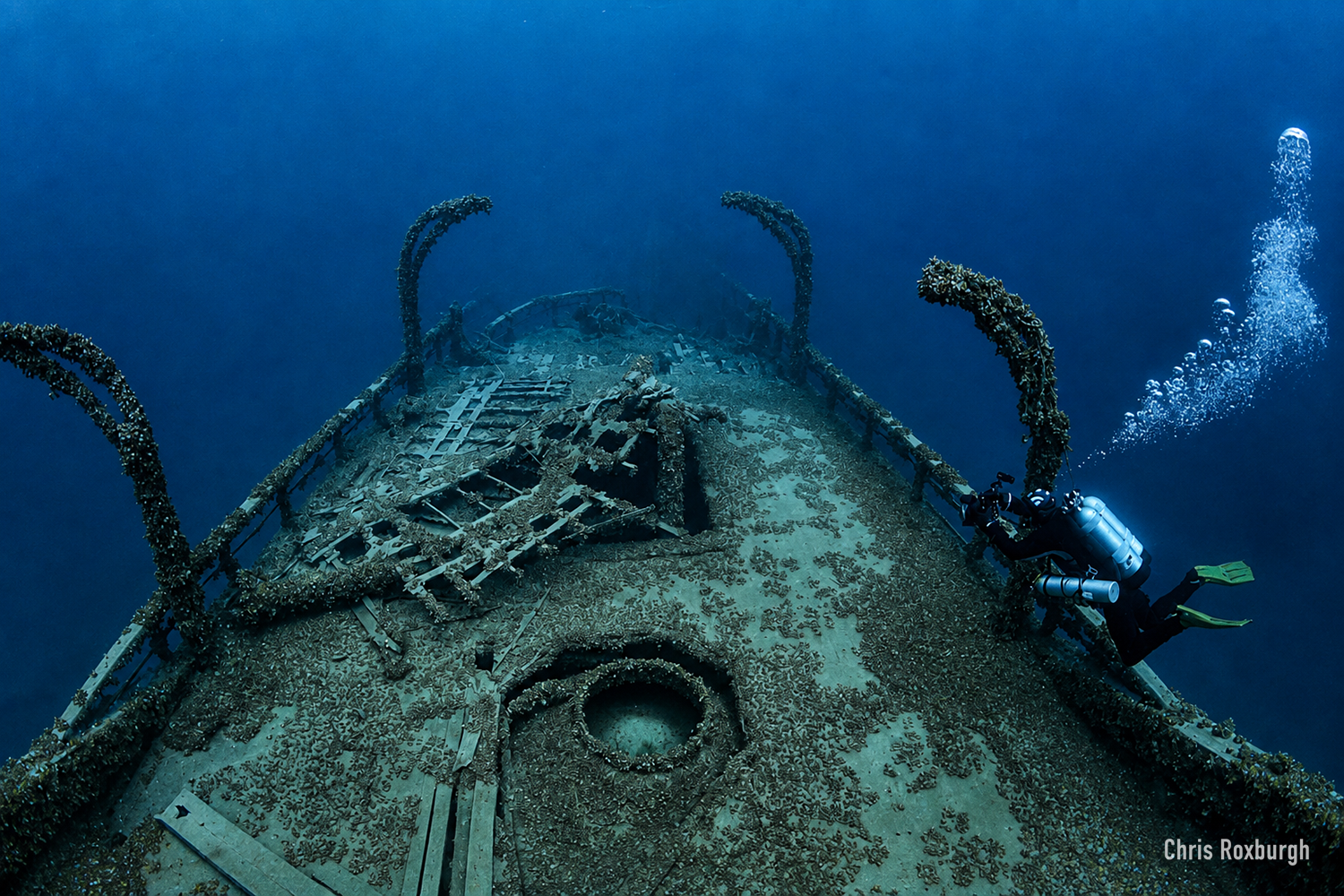
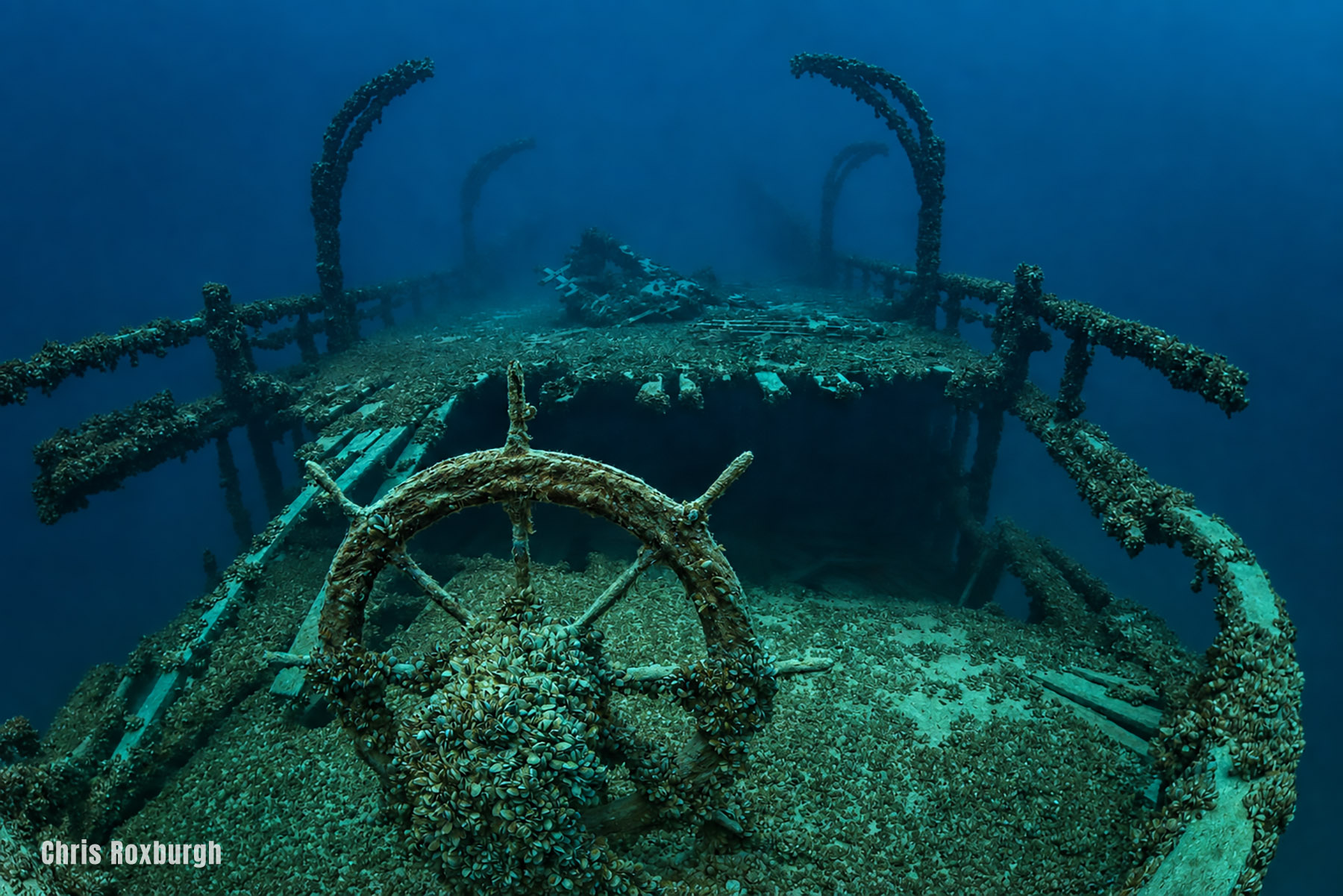
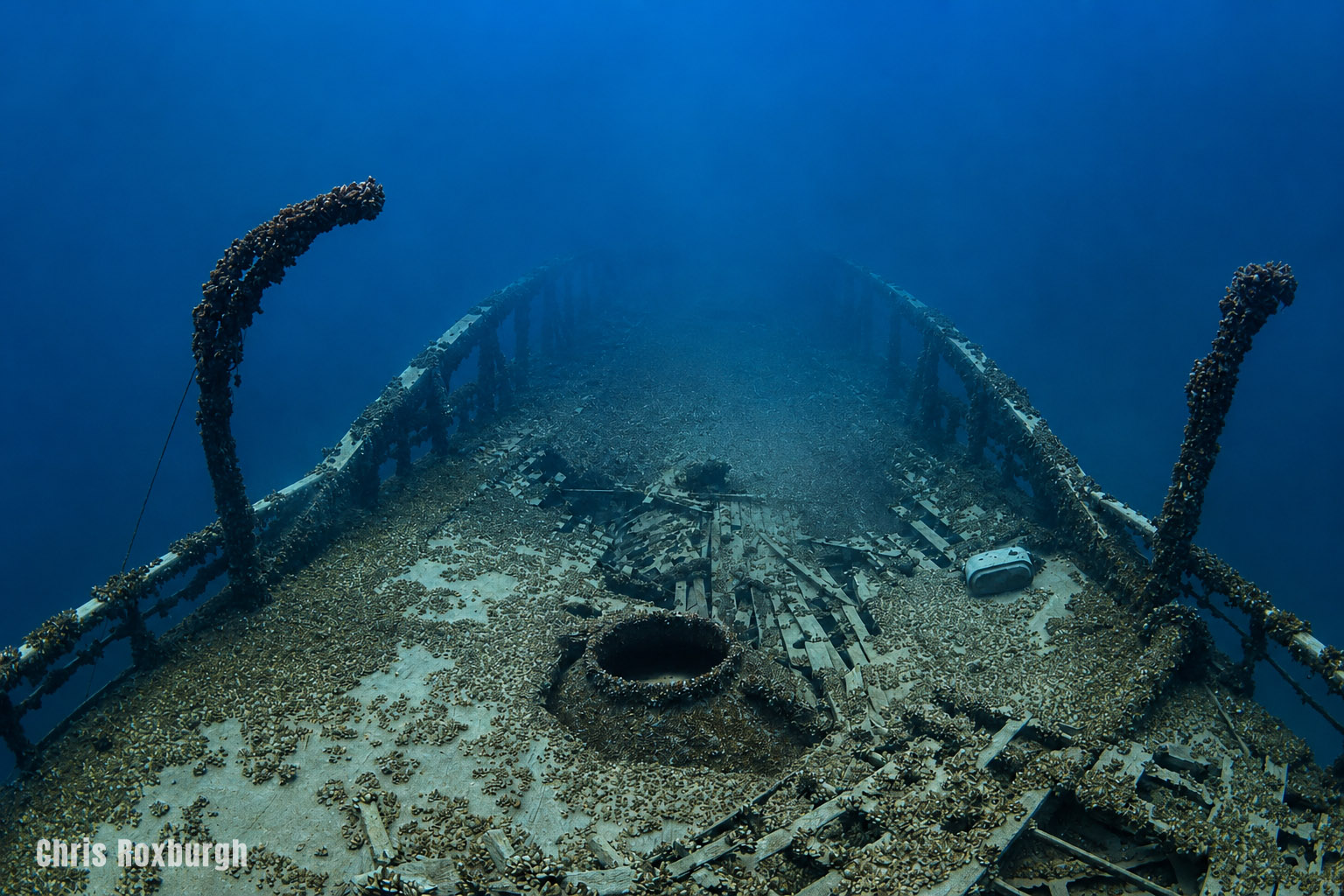
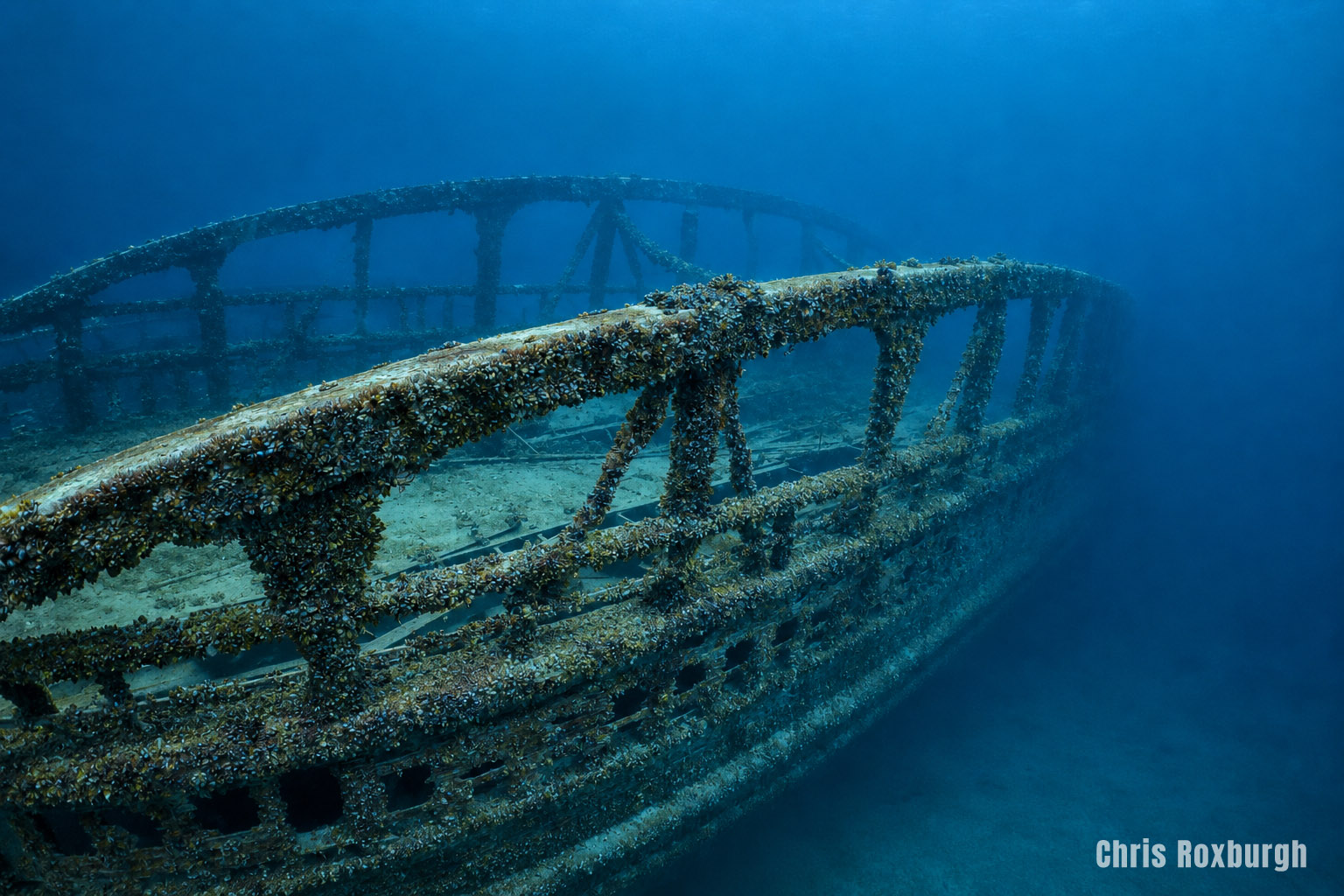
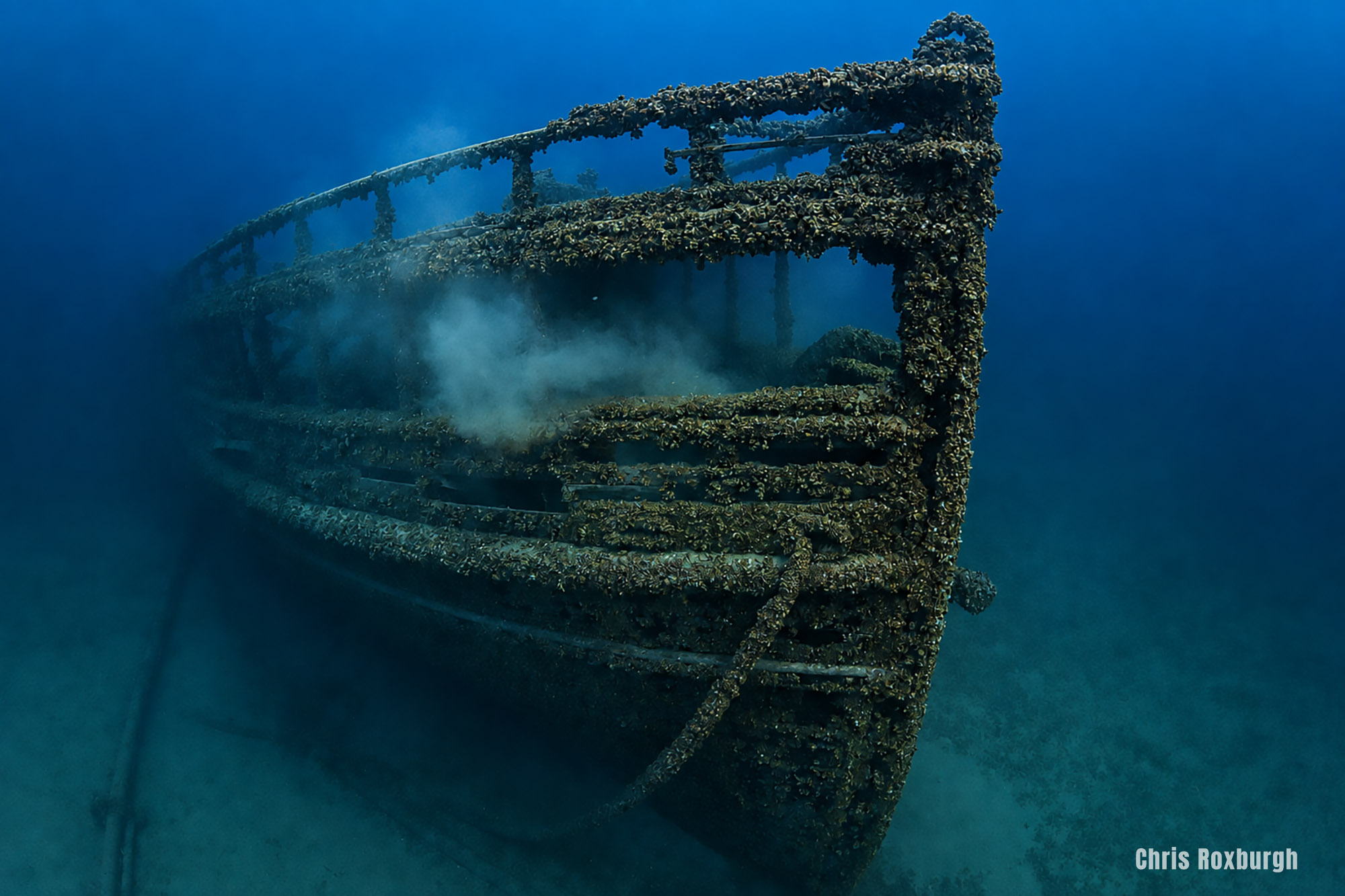
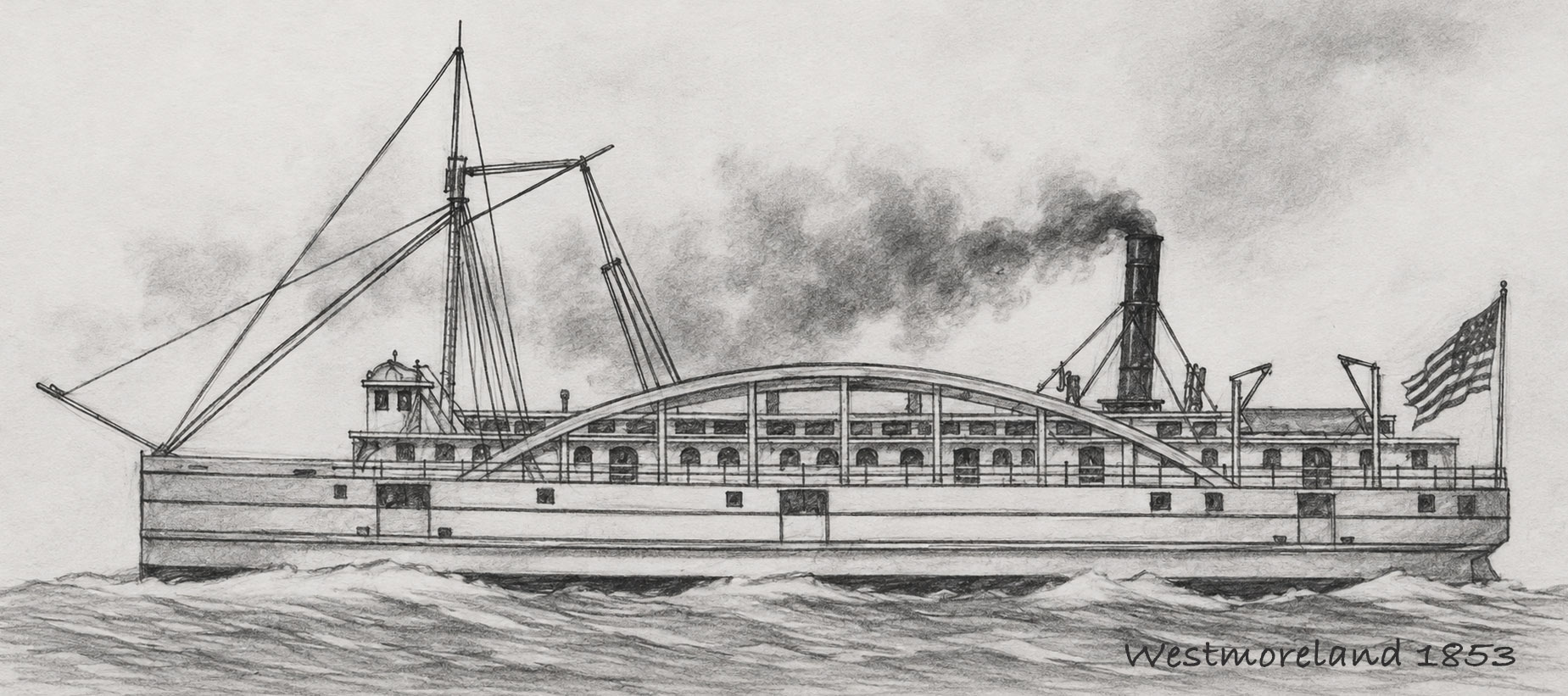
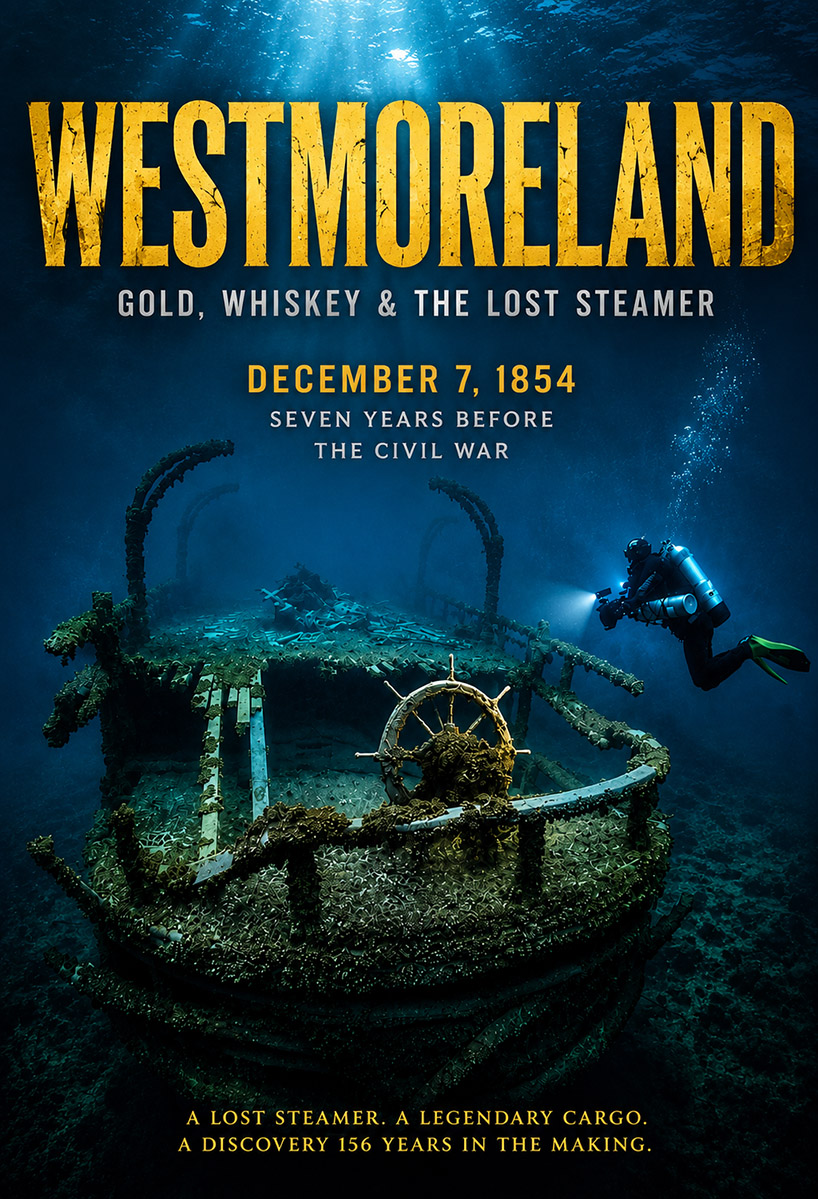
Built in 1853 at Ohio City, Ohio, by Lafrenier & Stevenson, Westmoreland was a substantial vessel for her time. Approximately 200 feet long, 28 feet across the beam and 12 feet in depth, she possessed the long, narrow proportions characteristic of the new generation of steam-powered lake carriers. Her wooden hull rested heavily alongside the wharf as men continued bringing cargo aboard, while above her deck rose the immense structural members known as hogging arches, designed to strengthen the long hull against bending beneath the weight of machinery, cargo and the changing support of the water beneath her.
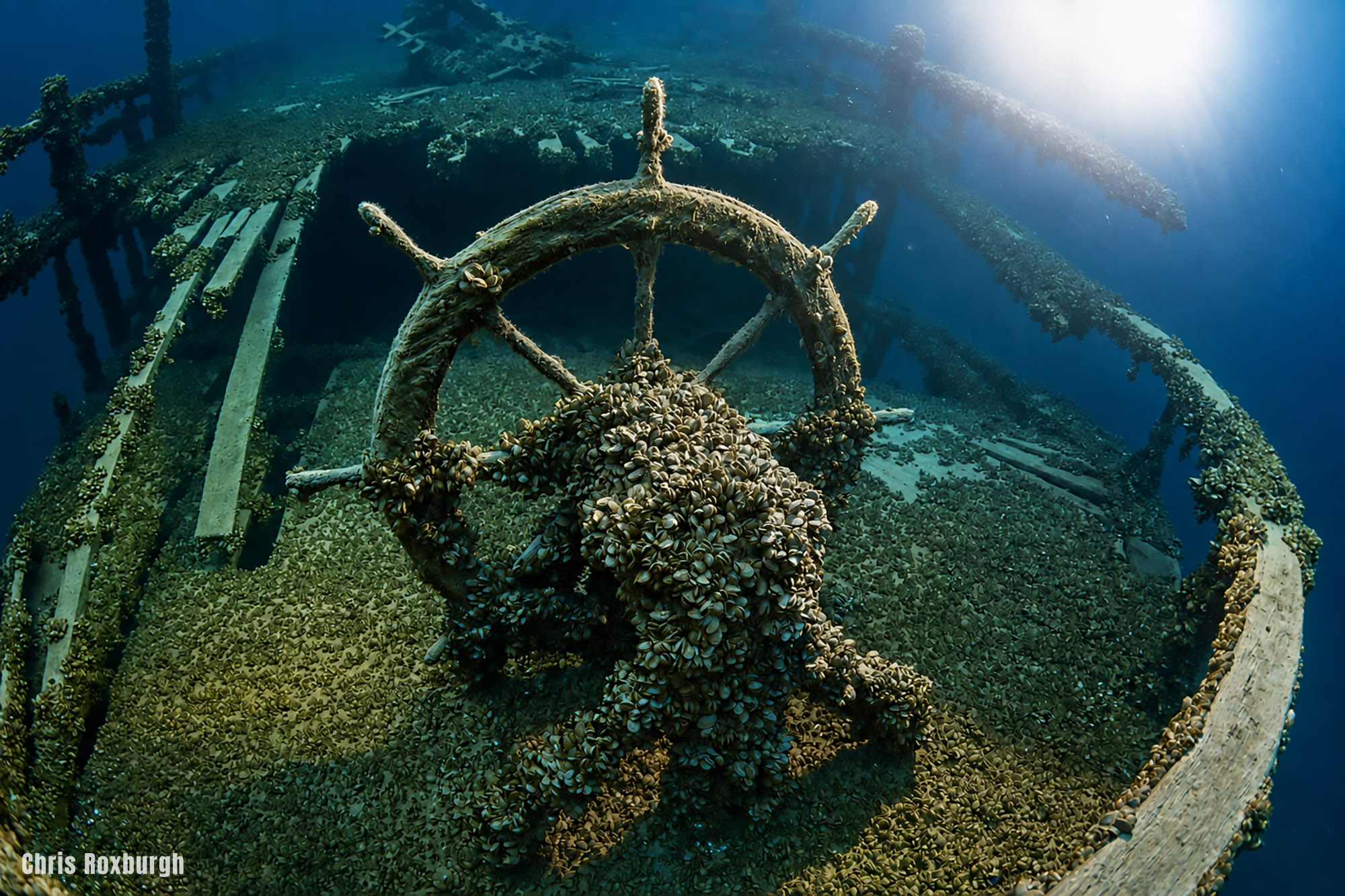
Unlike the great sidewheel steamers whose enormous paddle boxes dominated their profiles, Westmoreland was driven by a screw propeller beneath her stern. Deep within the vessel, her steam engine supplied the power that turned the propeller, while above the machinery spaces a tall smokestack carried the smoke from her boiler fires into the winter air. A mast and its web of rigging rose above the deck, and ropes, blocks, tackles and lifting gear remained essential equipment aboard even this comparatively modern steam-powered vessel.
Below deck, Chief Engineer Clinton Wright and his engineering crew prepared the machinery for departure. Fires were established beneath the boilers, water levels were watched and steam pressure was gradually raised while the engine, pumps and associated equipment were inspected. The engineering spaces were a different world from the cold waterfront above, filled with heat, machinery and the sounds of iron components being readied for the long passage.
On deck, the work of loading continued. Barrels were rolled along the wharf and guided across planks into the vessel, sacks were carried aboard, and heavier freight was lowered into the holds by rope and tackle. Men shouted instructions as loads were raised, shifted and secured, while officers watched the distribution of the cargo so that the heavily laden vessel remained properly trimmed.
There was an extraordinary quantity of freight aboard. Chief Engineer Wright's account described approximately 29,000 bushels of oats, 90 bales of wool, 1,400 barrels of flour, 50 kegs of butter, 200 dressed hogs and 160 quarters of beef, together with quantities of barreled beef, pork, lard and other provisions. Such cargo represented the ordinary commerce of the Great Lakes during the middle of the nineteenth century, carrying the agricultural wealth of the rapidly developing Midwest toward the larger eastern markets.
Presiding over the preparations was Captain Thomas Clark, who commanded not merely the vessel but the small working community that traveled aboard her. Officers and engineers served alongside wheelsmen, deckhands, firemen, cooks and cabin attendants, each with a particular duty necessary to keep a large steam vessel operating around the clock. Passengers came aboard carrying trunks, parcels and personal belongings, settling into their accommodations while the loading continued around them.
As the morning passed, the piles of freight waiting on the wharf gradually diminished. The final loads were brought aboard, hatch covers were placed and secured, loose equipment was made fast and the confusion of loading slowly gave way to the ordered appearance of a vessel ready for sea. Sailors worked from bow to stern checking lines and equipment while, below their feet, the boiler pressure continued to rise and the machinery waited for the order to get underway.
At last Captain Clark gave the command to depart, and the heavy mooring lines holding Westmoreland against the Chicago wharf were cast loose. Deckhands hauled the wet lines aboard and coiled them down as the steamer eased away from the pier. Deep beneath her stern, the screw propeller began turning steadily, churning the dark harbor water as the engine settled into its working rhythm.
The distance between Westmoreland and the wharf slowly widened as her bow came around toward open water. Behind her, the warehouses, wagons and crowded docks of Chicago began to recede, their masts, chimneys and smokestacks blending into the gray winter skyline. Smoke streamed from Westmoreland's stack as she gathered speed and headed out onto Lake Michigan, with Milwaukee ahead as the first stop on the long passage eastward toward Buffalo.
It was Saturday, December 2, 1854, and Westmoreland was underway.
At Milwaukee, Westmoreland took on additional freight, including approximately 500 barrels of flour, before Captain Thomas Clark prepared to continue north toward Port Washington, where the steamer intended to obtain wood for her boilers. It was during this stop that a story, impossible to verify but destined to become part of the Westmoreland legend, places an unusual piece of cargo aboard the vessel.
According to the rumor, several men from town arrived at the wharf carrying a small but remarkably heavy metal box. Rather than being lowered into the hold with the ordinary freight, the box was supposedly taken aboard under Captain Clark's direction and carried to his quarters. No one was said to know what it contained, and nothing about its contents was openly discussed. Years later, as stories of gold aboard Westmoreland began to circulate, the mysterious box would inevitably become part of the tale.
With the Milwaukee stop completed, Westmoreland headed north, but conditions on Lake Michigan quickly deteriorated. The wind strengthened and heavy seas began striking the wooden hull, throwing spray across the decks. Captain Clark decided against continuing toward Port Washington and ordered the vessel turned south.
Westmoreland fought her way back through the building seas and returned to Milwaukee harbor, where she would wait before attempting the northward passage again.
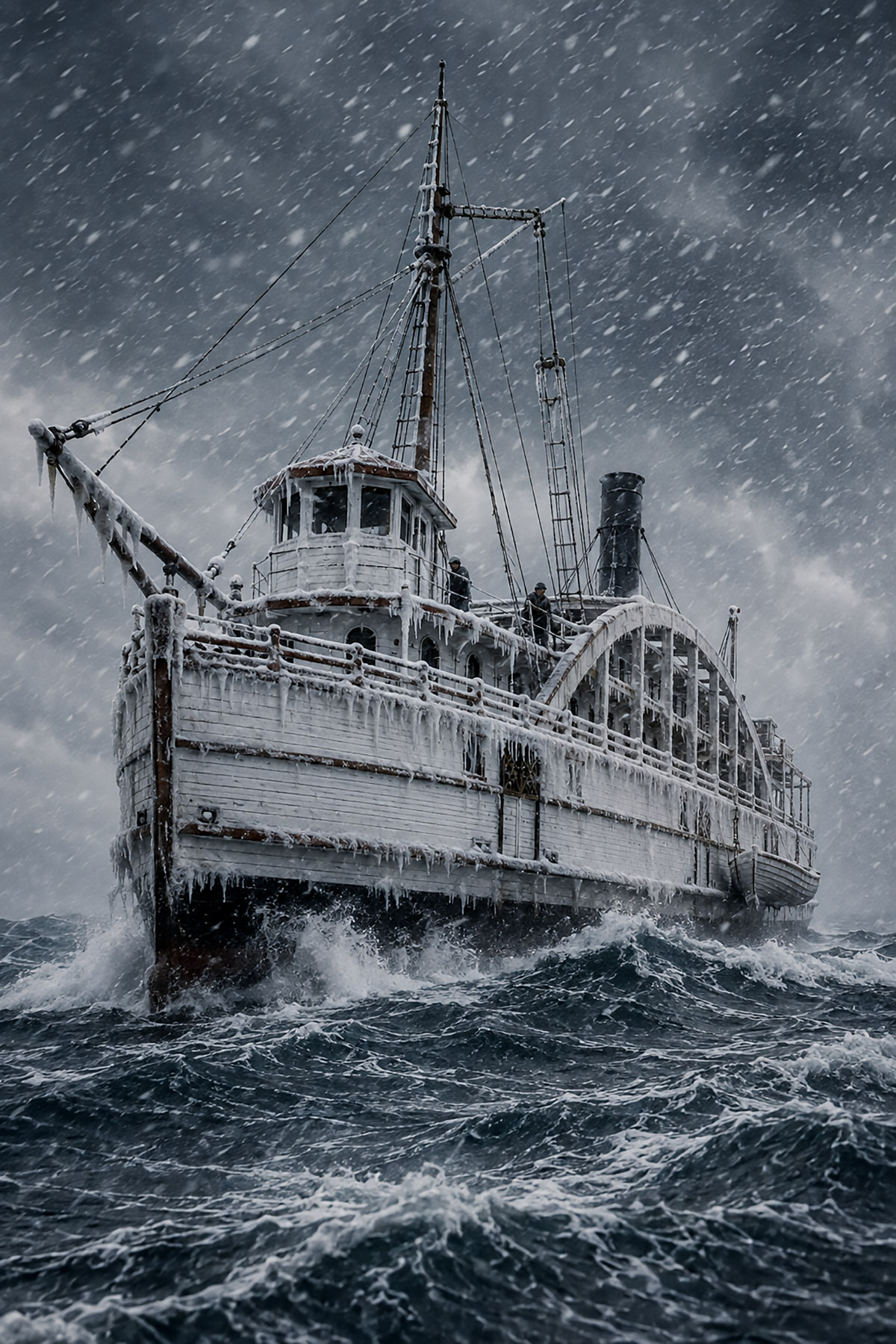
On Wednesday morning, Westmoreland departed Milwaukee once again and turned northward onto Lake Michigan. Before long, the weather began to deteriorate, the wind strengthening into a gale as heavy snow swept across the lake and increasingly violent seas struck the vessel.
Freezing spray broke over the decks and quickly hardened upon the rails, rigging and great hogging arches. As the hours passed, ice accumulated across the ship while the heavy seas continued pounding her wooden hull. Below deck another problem was developing: water had begun working its way into the vessel.
For the moment, Westmoreland's steam pumps kept the flooding under control. With her engine still turning and the pumps working, Captain Clark continued north through the snow and darkness as the gale followed them into the night.
Morning brought no relief. The gale continued across Lake Michigan as Westmoreland struggled through heavy seas, her decks and rigging burdened with ice. Below deck, the situation had become far more serious. Water was entering the wooden hull faster than the steam pumps could remove it, and Captain Clark called upon everyone able to work to help bail the vessel.
By approximately 10 o'clock that morning, the rising water had reached the boiler area and begun interfering with the fires beneath the grates. The engineers fought to maintain steam, but as the flooding increased, the fires weakened and were eventually extinguished.
With the boiler fires gone, Westmoreland lost the steam that powered both her engine and pumps. The screw propeller stopped turning, and the pumps that had held the flooding in check fell silent. Near South Manitou Island, with land tantalizingly close, the heavily iced steamer was left powerless in the northwest gale.
The crew continued bailing, but the lake was coming in faster than men with buckets could ever hope to remove it. Westmoreland settled steadily lower into the water as the wind and waves carried her away from shore.
By afternoon, there was little left that Captain Thomas Clark and his crew could do. Westmoreland had become a powerless wooden shell in the grip of Lake Michigan, her boiler fires drowned, her engine silent and her pumps useless. The northwest gale drove her farther from safety while heavy seas broke against the hull and swept freezing spray across decks already burdened with ice. With every passing minute she rode lower, the lake steadily claiming the space that had once been filled with cargo, machinery and warm living quarters.
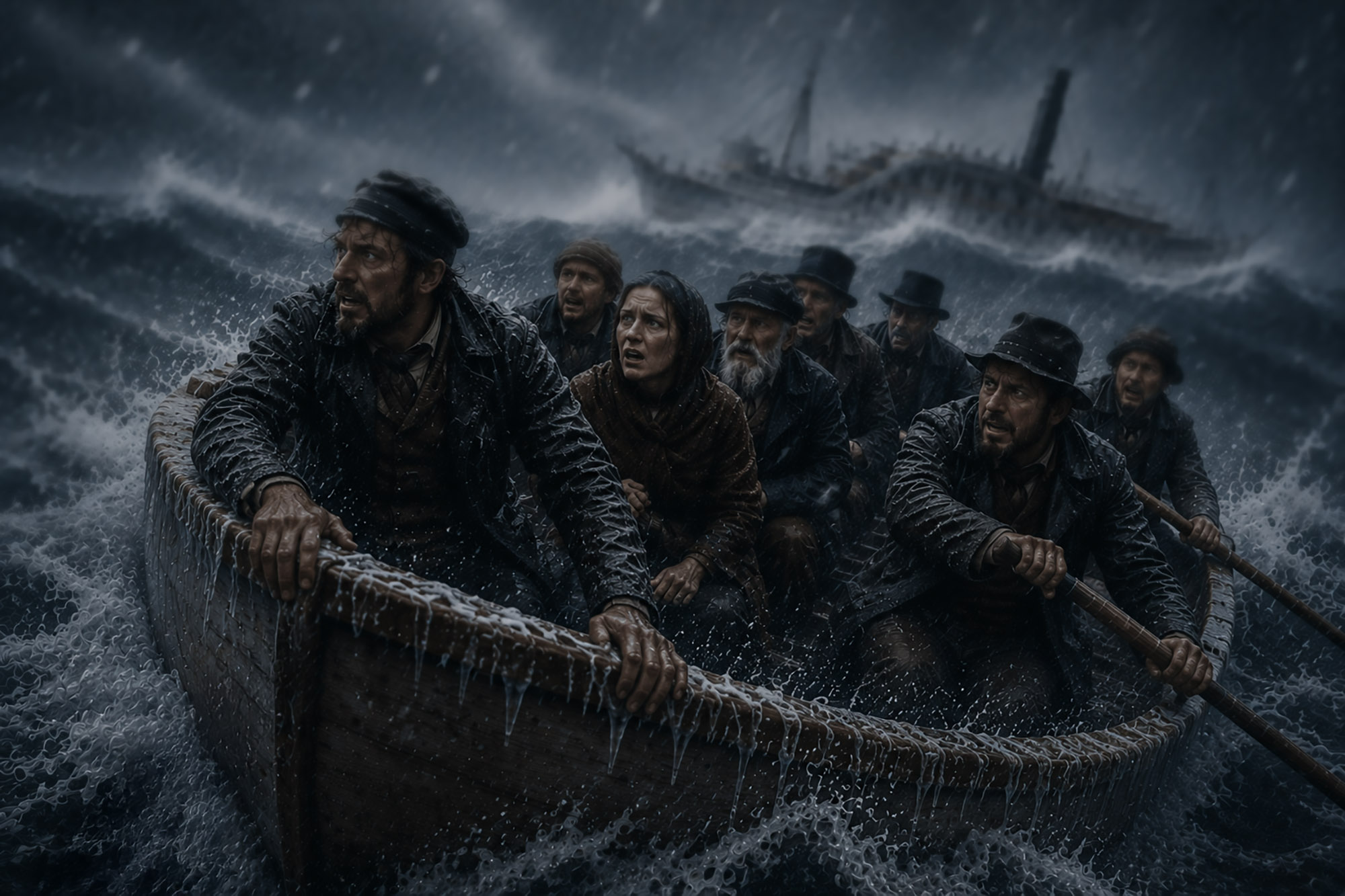
Captain Clark finally gave the order to abandon ship. The boats were prepared amid a deck made treacherous by ice and the violent motion of the vessel. The first was lowered carrying Clark, two women, both engineers and several others. Somehow they cleared the ship and disappeared into the snow and breaking seas, beginning a desperate struggle toward shore.
A second boat followed. It too escaped Westmoreland, carrying seven men toward land, but reaching the shoreline offered no guarantee of survival. The boat overturned in the breakers, and two of its occupants were lost before the others could reach safety.
Those remaining aboard now faced the most dangerous launch of all. As the third boat was lowered, the rolling ship and violent seas drove it against the cabin. It fouled, overturned and threw its occupants into the freezing water. There would be no second attempt for them.
The men still aboard climbed higher as Westmoreland continued settling. Some made their way onto the enormous hogging arches rising above the deck, clinging to the ice-covered timbers while the lake washed beneath them. From the departing survivors' boats, they could still be seen holding to those arches as the vessel sank lower.
The end came sometime between two and three o'clock in the afternoon. Water swept across the decks and climbed steadily up the hull as Westmoreland settled beneath the waves. Her great arches remained above the surface for a final few moments, with men still desperately clinging to them.
Then they too disappeared.
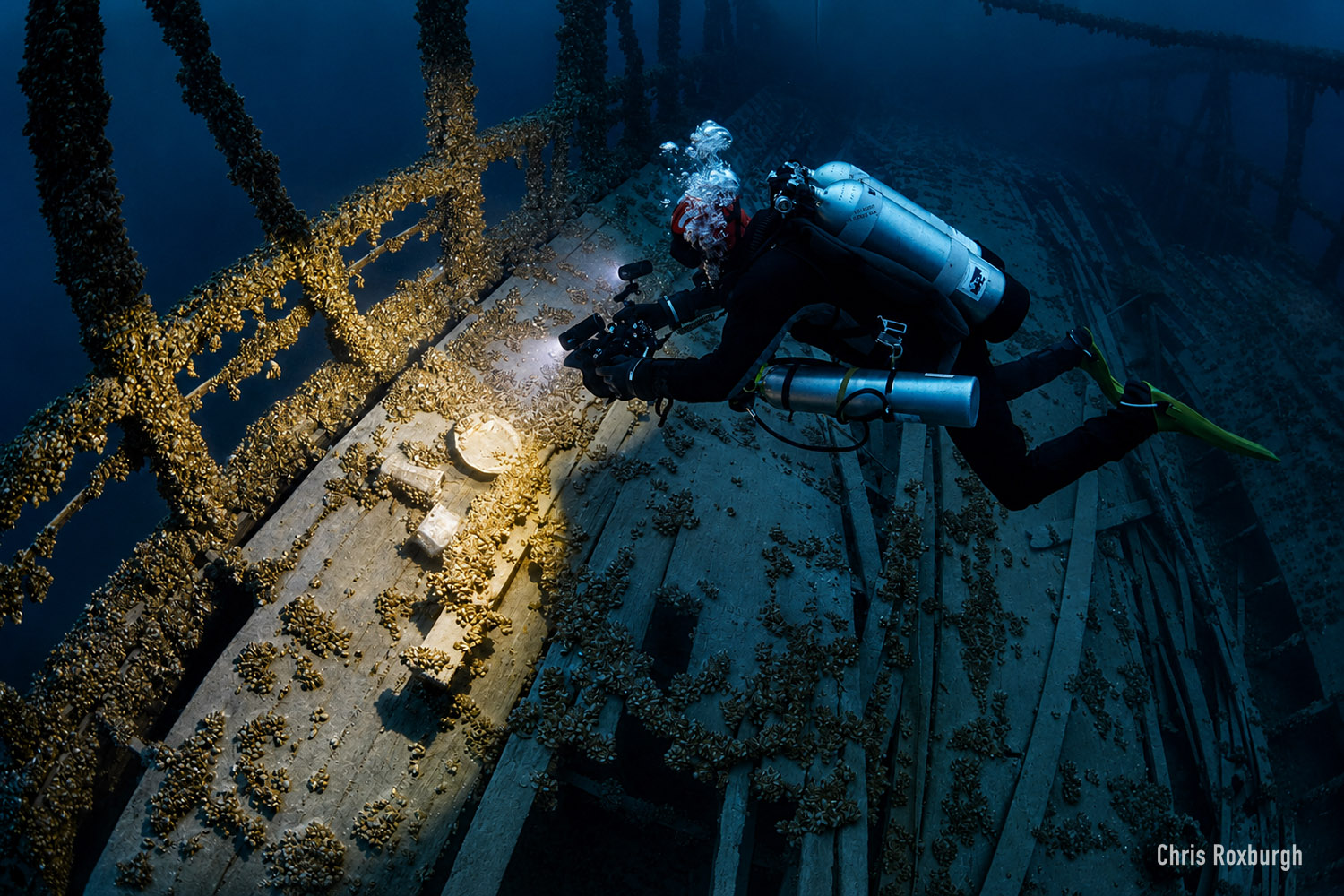
Westmoreland descended through approximately 180 feet of cold Lake Michigan water and came to rest upright upon the bottom. Of the roughly 33 to 34 people believed to have been aboard, 17 survived and 17 were lost, according to the commonly accepted accounting of the disaster.
For the survivors who reached shore, however, the ordeal was far from finished.
Reaching land did not mean reaching safety. After nearly two hours in an open boat, Captain Clark and the survivors with him finally reached the shore of Platte River Bay, soaked by spray and nearly overcome by the December cold. Behind them Lake Michigan remained a confusion of snow, wind and breaking water, while darkness was already approaching.
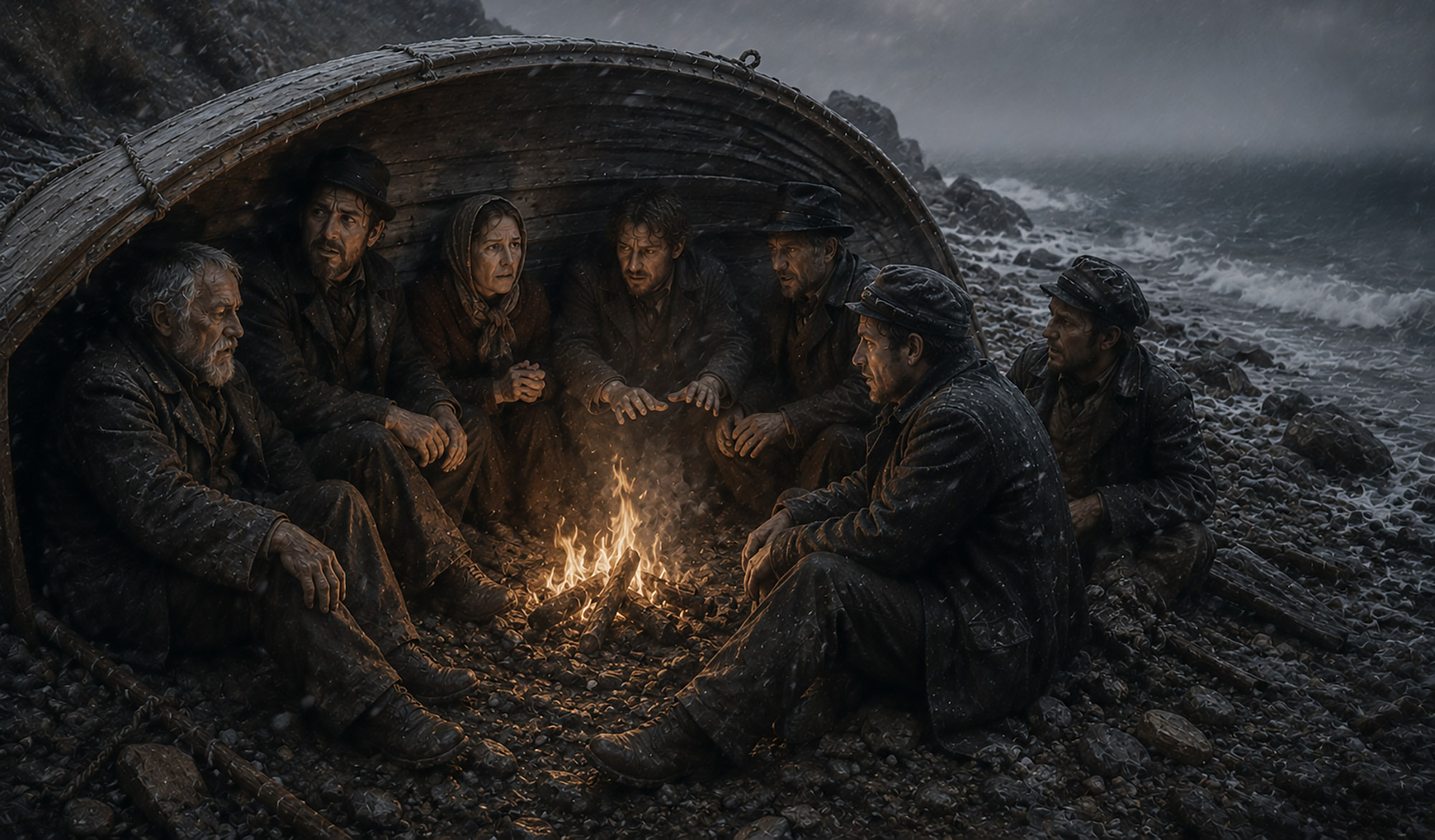
There was little shelter along the isolated shoreline. The survivors gathered branches and whatever wood they could find, building crude shelters against the wind and struggling to keep fires burning. Wet clothing began to freeze, and the men and women crowded close to the flames while the gale continued through the night. Along the beach, pieces of wreckage and cargo from Westmoreland began washing ashore, scattered by the same seas that had carried the survivors to land.
When conditions permitted, some attempted to leave by boat, but the lake drove them back onto the beach. Another shelter was constructed, and for several days the survivors remained along the desolate coast, living with little protection from the winter weather while considering how they might reach civilization.
Eventually the group separated. First Mate Paul Pelkey and several others traveled north, while Chief Engineer Clinton Wright, the second mate and the second engineer began the exhausting journey southward along the shoreline toward Manistee. Wright estimated the distance at nearly ninety miles. They walked beaches and frozen ground, crossed streams and waded through icy water as they slowly made their way toward help.
When Wright finally reached civilization, he carried with him more than the story of his own survival. His account would preserve the details of Westmoreland's final hours—the flooding, the extinguished boiler fires, the desperate launching of the boats and the last sight of men clinging to the great hogging arches as the steamer disappeared beneath Lake Michigan.
In the days and years following the disaster, another story began to attach itself to Westmoreland. It concerned cargo that did not appear among the flour, oats, beef, wool and other ordinary freight described in contemporary accounts.
Gold.
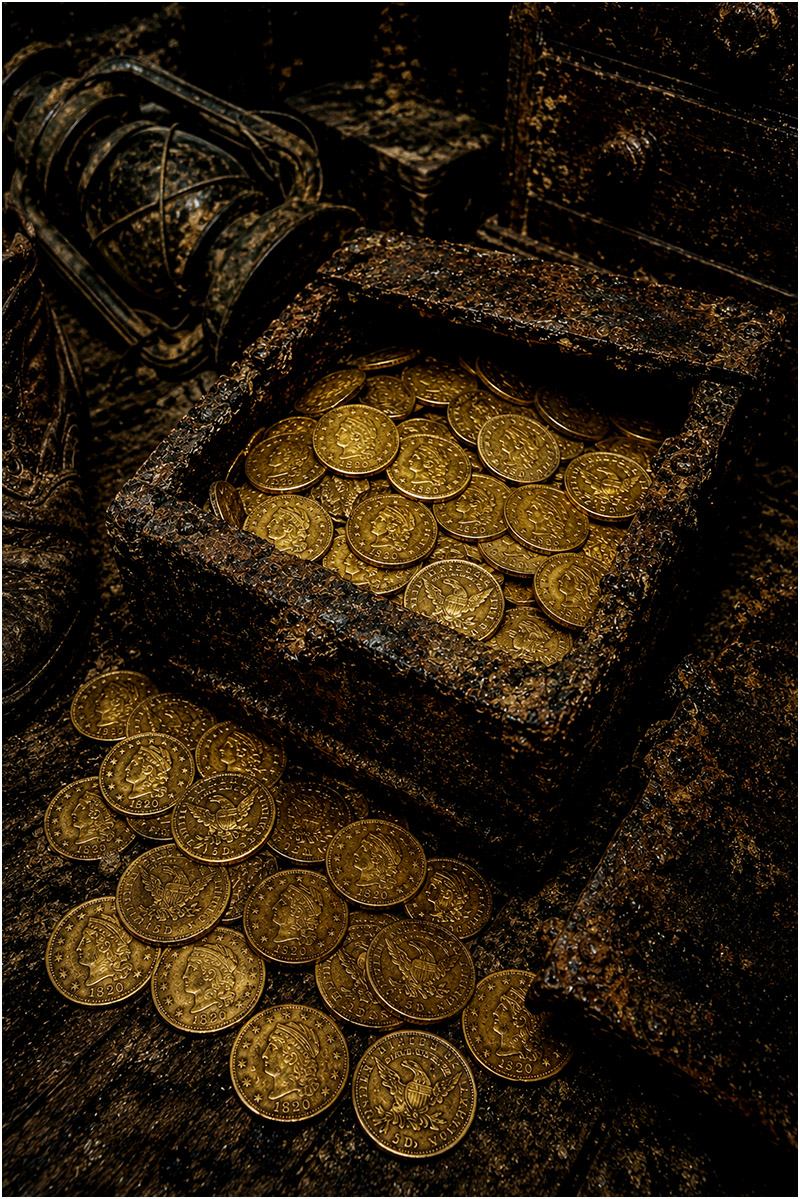
Rumors claimed that a quantity of gold coins had been aboard the steamer, possibly secured in the captain's safe or within a heavy metal box. The story inevitably gave new meaning to the mysterious box rumored to have been carried aboard at Milwaukee and taken to the captain's quarters. Whether such a box ever existed, much less contained gold, has never been proven, but the tale endured.
The amount supposedly lost changed with each generation. Some accounts placed the treasure at approximately $10,000 in gold coins, while later versions increased the fortune to $40,000, $100,000 or more. Another persistent story claimed that Westmoreland's holds contained hundreds of barrels of whiskey or high-wines, cargo that could itself have represented a considerable fortune.
There was just enough uncertainty to keep the mystery alive. No confirmed recovery of the supposed gold was ever recorded, and the detailed surviving cargo accounts provide no proof that such a treasure was aboard.
But proof was not necessary for a legend.
Somewhere beneath the cold waters of Lake Michigan rested Westmoreland, and if the stories were true, she had taken a fortune down with her. For generations to come, that possibility would draw salvagers, treasure hunters and eventually divers back to the waters where the steamer had disappeared.
( Click Image to Enlarge )
Description
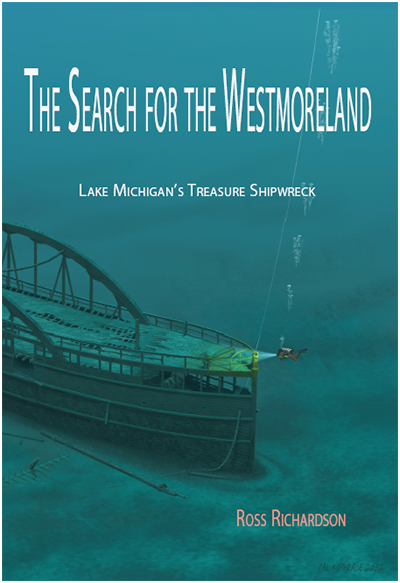
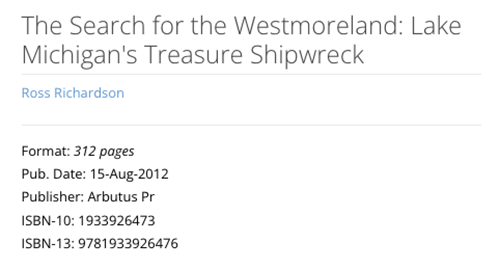
The Search for the Westmoreland: Lake Michigan’s Treasure Shipwreck
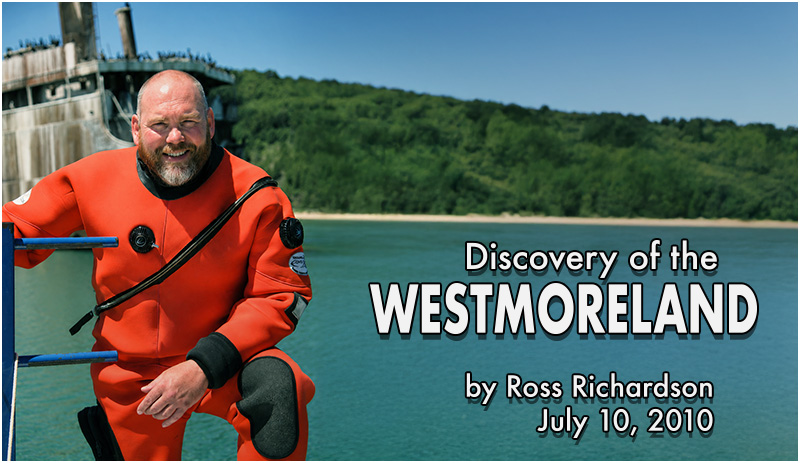
by Ross Richardson
On December 7, 1854, the Propeller Westmoreland foundered in deep water near Sleeping Bear Dune, killing seventeen of her crew and passengers. Seventeen crew and passengers lived, however, and landed in lifeboats on the shore of Platte Bay. Soon after the passenger steamer’s sinking, rumors began circulating of $10,000 in gold coins in her safe and 280 barrels of whiskey in her hold. For the next 150 years the Westmoreland was one of the most sought after shipwrecks in all the Great Lakes, eluding salvagers, wreckhunters and divers alike. The Westmoreland was discovered July 7, 2010 by diver/historian Ross Richardson of Lake Ann, Michigan.
316 pages – softcover book – black and white photos












 Smoke rose from factory chimneys and the stacks of steam vessels, lingering in the cold air before drifting across the waterfront. The smell of burning wood and coal mixed with wet timber, grain, livestock and the dark water beneath the docks, creating the familiar atmosphere of a busy Great Lakes port. Among the vessels preparing to depart that Saturday was the nearly new wooden propeller steamer Westmoreland.