Discovery of the USCGC TAMPA - 131 Souls and a Silent Sea
Text and Illustrations by Curt Bowen
Video by Dominic Robinson & James Gregory
My Track
0:000:00
🔊
Audio Player: Let ADM read the editorial for you.
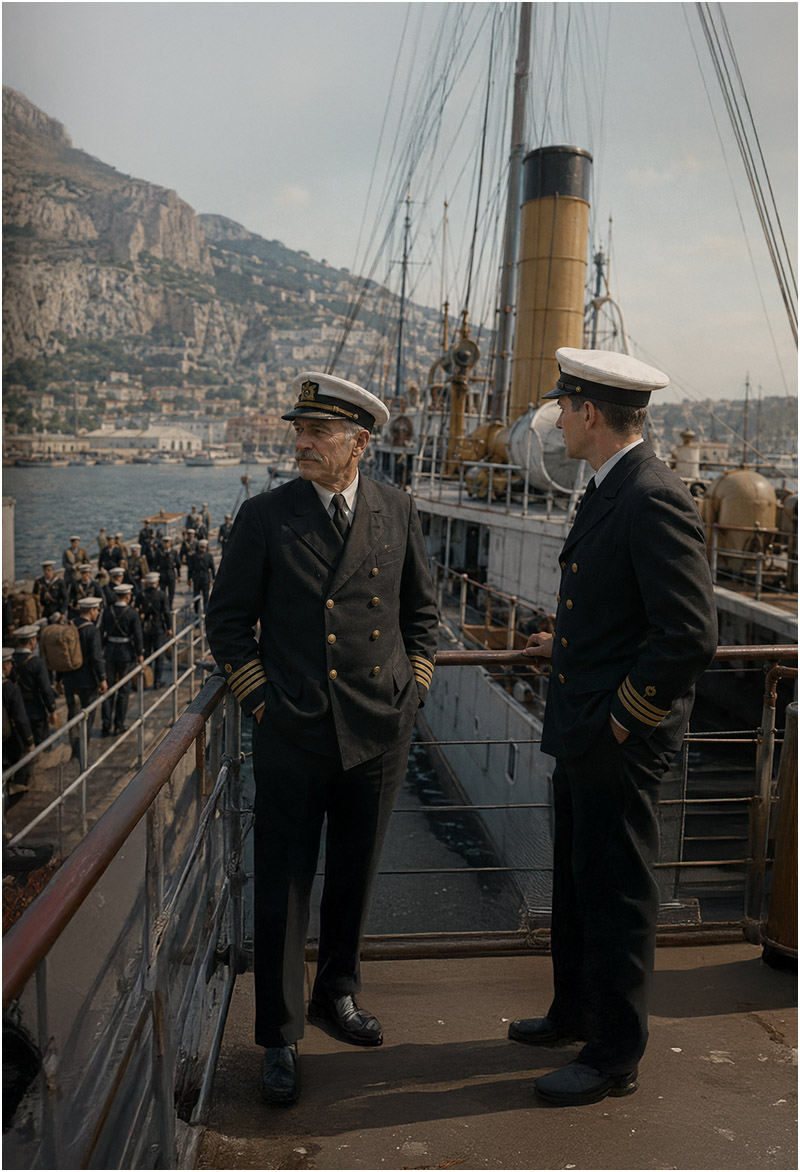
The harbor of Gibraltar lay beneath a haze of coal smoke and fading afternoon light, crowded with warships, merchant steamers, and restless men moving between them like shadows in constant motion. Above the harbor rose the Rock itself — immense, ancient, and gray against the Mediterranean sky — watching silently over the narrow gateway between oceans and empires.
Along the steel decks of the United States Coast Guard cutter TAMPA, sailors returned aboard in uneven groups after forty-eight precious hours of shore leave. Their boots rang hollow against the deck plating as laughter, cigarette smoke, and shouted farewells drifted upward from the gangway. Some carried parcels wrapped in brown paper. Others returned empty-handed, reluctant to leave behind the brief illusion of peace found in Gibraltar’s narrow streets, crowded cafés, and dim waterfront taverns.
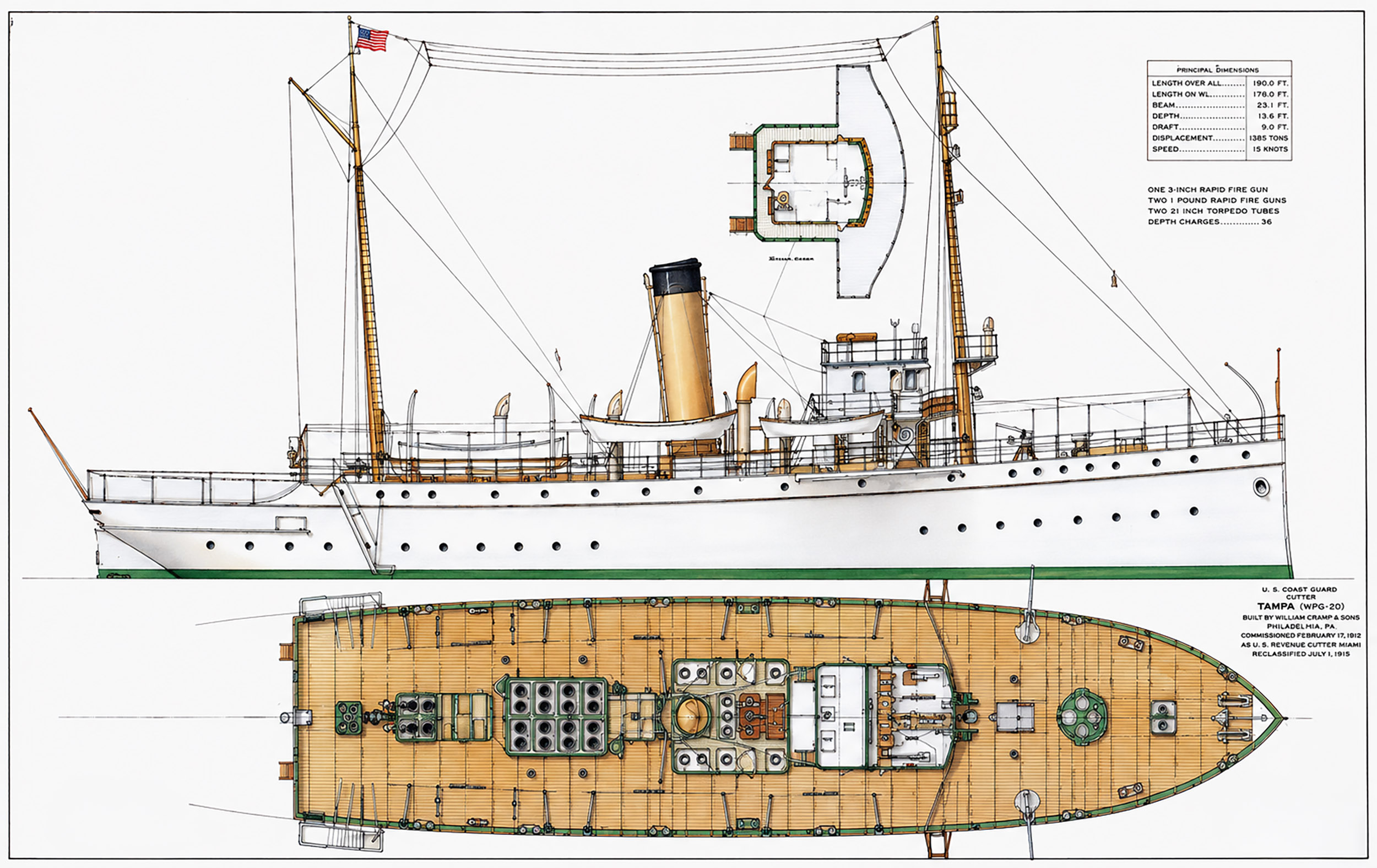
The TAMPA rested low in the water beside the quay, her dark hull streaked with salt and coal soot gathered from months of convoy duty in the Atlantic war zone. At 190 feet in length, the aging cutter possessed none of the sleek elegance of newer destroyers entering the war. Built for endurance rather than speed, she carried the heavy, workmanlike appearance of a vessel that had spent years battling storms, smugglers, and open ocean long before Europe descended into war.
Steam curled lazily from her funnel into the evening air.
Captain Charles Satterlee stood near the starboard bridge wing, gloved hands resting behind his back as he watched the crew come aboard. At forty-three, his posture still carried the rigid discipline of a career officer, though the strain of wartime command lingered in his eyes. His dark double-breasted coat moved slightly in the harbor wind, brass buttons dim beneath the gray light.
Beside him stood First Lieutenant Roy Bothwell, younger by nearly fifteen years but already worn by the Atlantic. Bothwell leaned lightly against the rail, studying the activity below while tugboats moved through the harbor beyond them.
Neither man spoke for several moments.
Below, a pair of sailors staggered aboard laughing loudly, one carrying a guitar missing two strings. Somewhere farther aft, an engine-room crewman shouted for someone to move crates away from the hatch cover. The sounds were ordinary. Human. Almost peaceful.
“That one won’t survive inspection tomorrow,” Bothwell muttered quietly, nodding toward the drunken pair.
Satterlee’s mustache twitched faintly.
“No,” he replied. “But tonight I suspect Mr. Carmichael believes himself immortal.”
Bothwell allowed himself a brief smile.
The laughter below deck faded beneath the deep mournful blast of a British harbor horn somewhere out in the anchorage. Both officers instinctively turned toward the sound. Beyond the forest of masts and funnels, convoy vessels sat black against the evening sea awaiting departure orders north toward England.
Toward the war.
Satterlee removed his gloves slowly, folding them carefully beneath one arm.
“Hard to blame them,” he said at last.
Bothwell glanced toward him.
“Sir?”
“For forgetting themselves ashore.”
The captain looked again toward Gibraltar’s crowded waterfront where lights had begun appearing one by one along the harbor district.
“Men cannot live indefinitely beneath convoy orders and submarine reports. Eventually they must remember they are still human beings.”
A cold wind swept across the deck carrying with it the mingled smells of salt water, coal smoke, engine oil, and the distant spice markets beyond Waterport Street.
Below them, the crew continued boarding.
Some smiled. Some looked exhausted. Some stared silently toward the sea.
Many had crossed the Atlantic so many times the war had begun erasing their memory of ordinary life.
TAMPA herself had once known different duty. Before America entered the war, she had patrolled the Gulf of Mexico and Caribbean hunting smugglers, assisting vessels in distress, and carrying out the quiet, thankless work of the Revenue Cutter Service. But since 1917 she had become something else entirely — an armed convoy escort carrying sailors through one of the deadliest stretches of ocean in the world.
German submarines had turned the Atlantic into a graveyard.
And still the convoys sailed.
Bothwell watched a young seaman pause halfway up the gangway to look back toward the city one last time.
“Think they know?” he asked quietly.
Satterlee did not answer immediately.
Far beyond Gibraltar, beyond the Strait and the darkening Atlantic horizon, somewhere beneath thousands of feet of cold water, unseen submarines waited patiently for ships exactly like theirs.
At last the captain spoke.
“No,” he said softly. “And God willing, they never shall.”
Night pressed heavily upon the Atlantic.
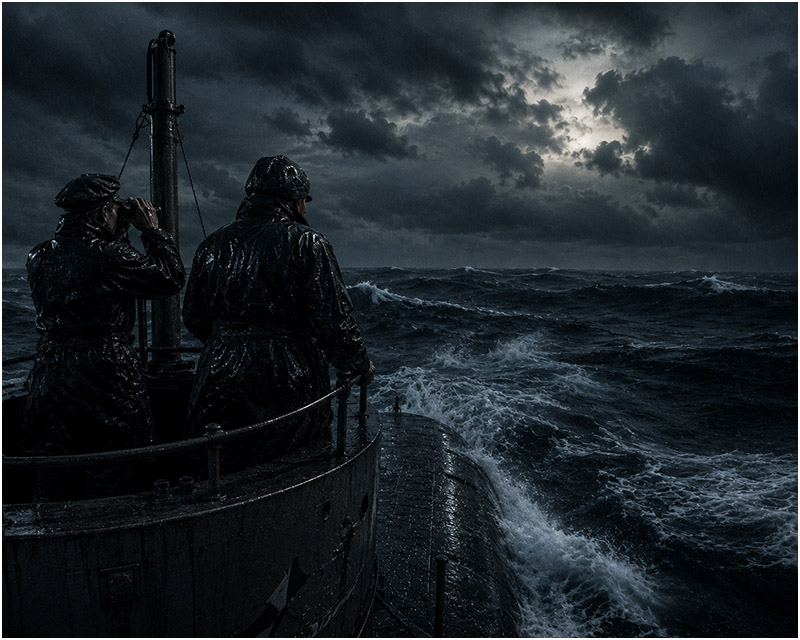
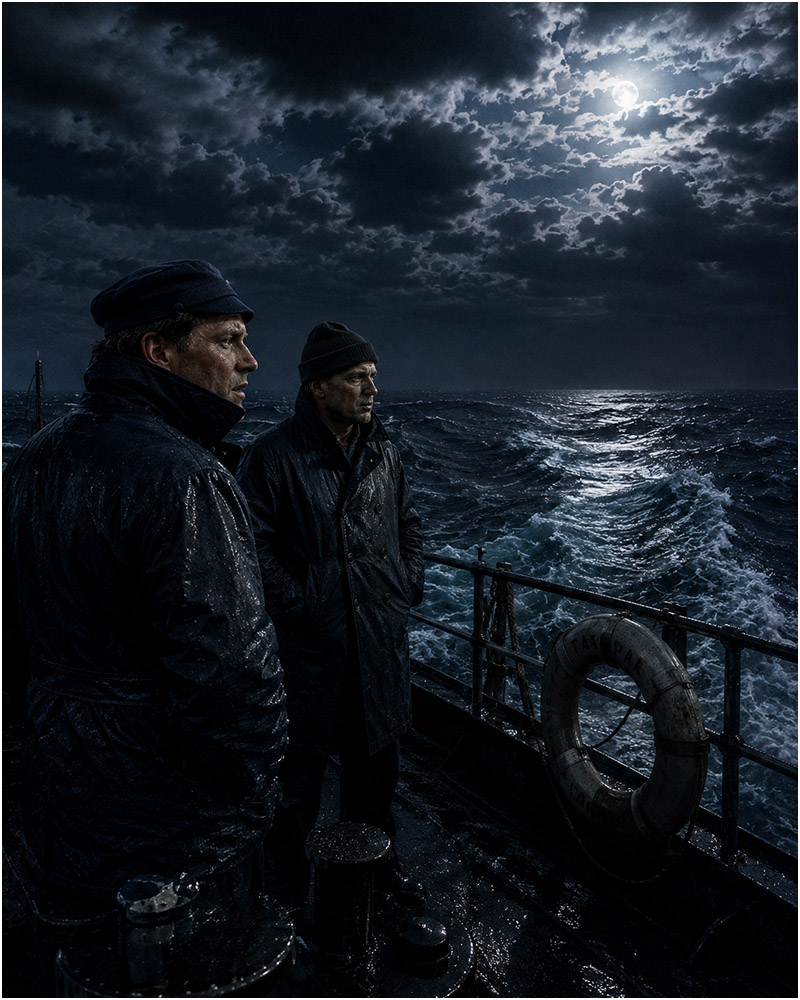
The sea rose in long black swells beneath the German submarine as it climbed and fell through the storm-dark water like some wounded sea creature struggling against the gale. Wind screamed across the exposed deck while icy spray burst over the bow, drenching the two sailors standing watch atop the conning tower.
Both men clung to the railings as the boat rolled violently beneath them. Oilskin coats snapped in the wind. Saltwater streamed from their caps and down their faces, but neither man looked away from the horizon.
They searched the darkness endlessly.
Nothing.
Only black ocean and racing storm clouds overhead.
Below them, deep within the steel hull, the diesel engines pulsed steadily, vibrating through the submarine like a mechanical heartbeat. The Atlantic smelled of fuel oil, seawater, and rain.
The younger sailor wiped his eyes against his sleeve and stared again into the void ahead.
Then the clouds began to break.
At first only small tears appeared in the overcast sky, driven apart by the hard western wind. Slowly the half moon emerged behind them, pale and thin, casting weak silver light across the restless surface of the sea.
The transformation was immediate.
Wave tops glimmered faintly.
The horizon sharpened.
Darkness gave way to shifting shades of gray and silver.
The older sailor narrowed his eyes toward the western horizon.
Luck.
If the clouds continued opening, visibility would improve.
And visibility meant prey.
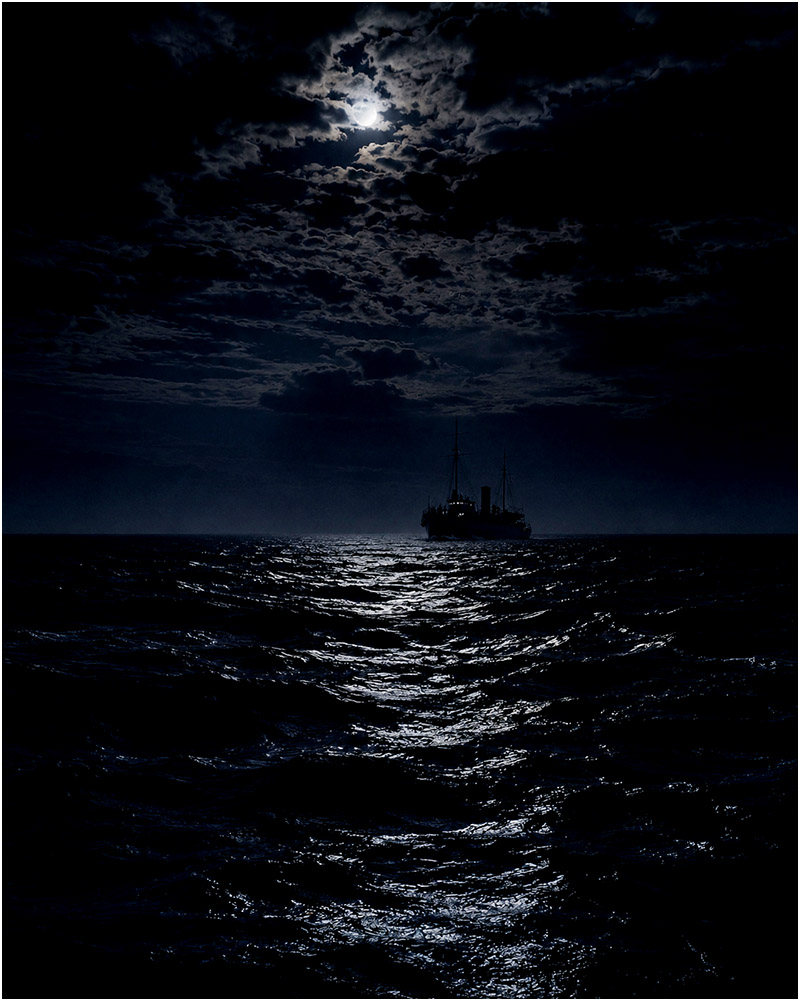
The submarine climbed another swell. For one brief moment the conning tower rose high above the sea, and there — faint and distant against the moonlit horizon — appeared a silhouette.
A single funnel.
The sailor stiffened instantly.
Not a convoy.
One ship.
Alone.
He leaned farther forward, water streaming from his coat as he studied the shape carefully between the waves.
Long hull.
Single stack.
Escort profile.
Military.
The younger sailor finally saw it too.
“Ein Schiff,” he muttered quietly.
One ship.
The moonlight strengthened again as another band of cloud drifted apart overhead. Far across the Atlantic, the lone vessel appeared and vanished between the heavy swells, steaming steadily through the darkness unaware it was no longer alone.
The older sailor turned immediately toward the hatch behind him.
Below, officers would already be calculating:
speed
heading
attack angle
interception distance
The hunt had begun.
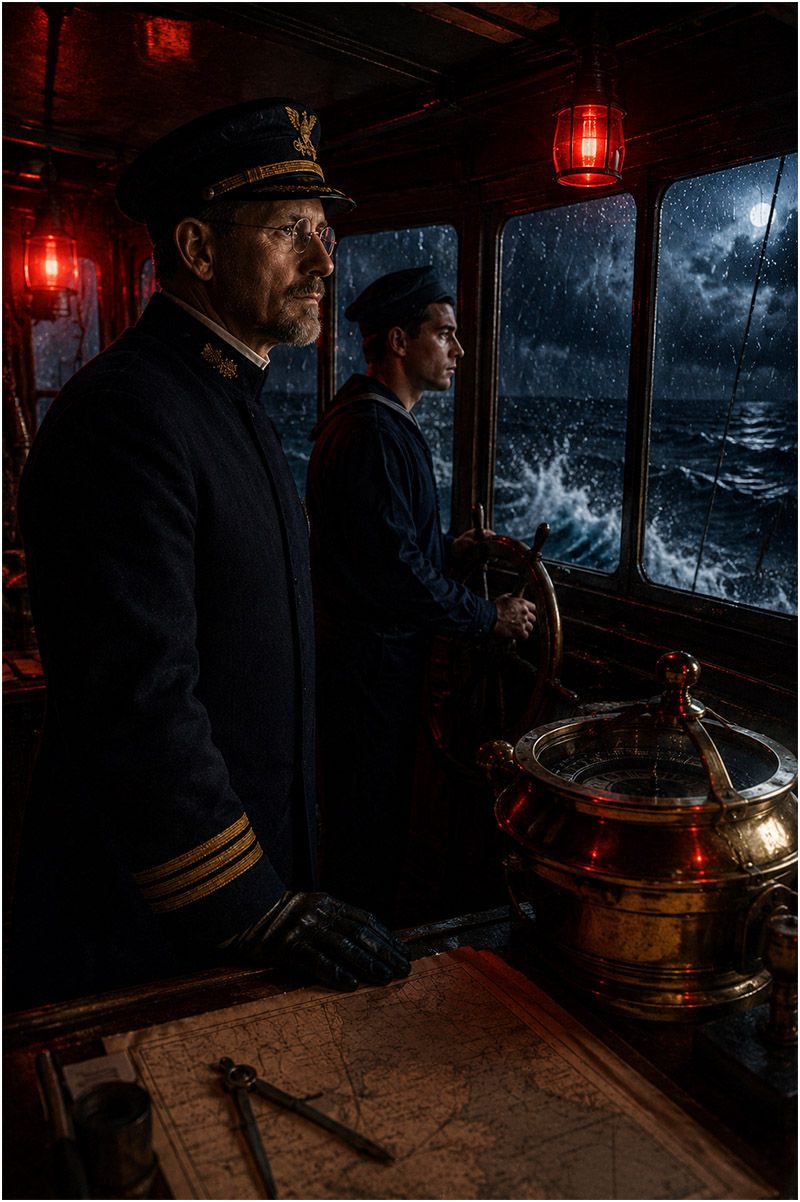
The pilot house glowed dimly beneath red battle lanterns, casting long shadows across the brass compass binnacle and chart table as TAMPA drove steadily through the heavy Atlantic sea.
Outside, darkness ruled the ocean.
The cutter rose hard against the swells, her bow shuddering each time green water exploded across the forward decks. Wind howled through the rigging with a hollow mournful sound while rainwater and spray raced along the bridge windows in silver streaks.
Above them, storm clouds tore across the night sky at tremendous speed.
Captain Charles Satterlee stood motionless beside the forward windows, one gloved hand resting lightly against the chart table as he watched the sea ahead. The faint red light deepened the tired lines in his face. Weeks of convoy duty and endless tension had settled into his expression like permanent weather.
Beside the wheel stood Herman Carmichael.
The young sailor had been assigned temporarily to bridge watch duty after another sleepless night below deck. Even now his restless energy seemed subdued beneath the oppressive darkness surrounding the ship. His oilskins still glistened with seawater from the last watch rotation.
TAMPA was alone.
Hours earlier, Satterlee had reluctantly detached from the convoy after the cutter’s coal reserves fell dangerously low. Milford Haven lay ahead in Wales, where the ship would finally refuel before returning once more to convoy duty.
If they reached it.
The convoy itself was gone now, somewhere astern beyond the darkness and weather, leaving TAMPA isolated in submarine waters.
Satterlee preferred it this way.
A convoy created smoke. Noise. Silhouettes.
One ship alone on a black sea was harder to find.
The captain watched another wave break violently against the bow, white water briefly visible through the darkness before vanishing again.
“Black as the devil’s pocket,” Carmichael muttered quietly, peering through the forward glass.
Satterlee almost smiled.
“And tonight that may be our salvation.”
The young sailor glanced toward him.
The captain kept his eyes forward.
“No moon,” he continued. “No horizon. No silhouette.”
Outside, the Atlantic remained almost completely swallowed by darkness.
Then suddenly the clouds shifted.
A tear opened overhead as the wind drove part of the storm eastward, and pale moonlight spilled across the sea in scattered silver bands. For a moment the black water shimmered ghostlike around the cutter.
Satterlee’s expression changed instantly.
Concern tightened across his face.
Moonlight.
Not enough to illuminate the entire ocean — only scattered ribbons of silver sliding across the swells — but enough.
Enough for a periscope wake. Enough for a silhouette. Enough for a submarine commander waiting patiently somewhere beyond the darkness.
The captain stepped forward sharply.
“Mr. Carmichael.”
“Yes sir.”
“Double the lookouts.”
Carmichael straightened immediately.
“Bridge wings and forecastle?”
“All positions.”
Another flash of moonlight spread across the water outside.
Satterlee stared at it silently for several seconds before speaking again.
“And tell them I want eyes on every wave.”
“Aye aye, sir.”
Carmichael disappeared quickly through the hatch, boots hammering against the steel deck beyond.
For a moment the captain stood alone inside the dim red glow of the pilot house while TAMPA pushed onward through the black Atlantic.
The cutter vibrated beneath his feet with the steady rhythm of her engines.
Coal smoke drifted aft into the night.
Outside, silver light continued moving across the sea in broken fragments beneath the racing clouds.
And somewhere beyond that darkness, unseen and patient, another vessel searched for them.
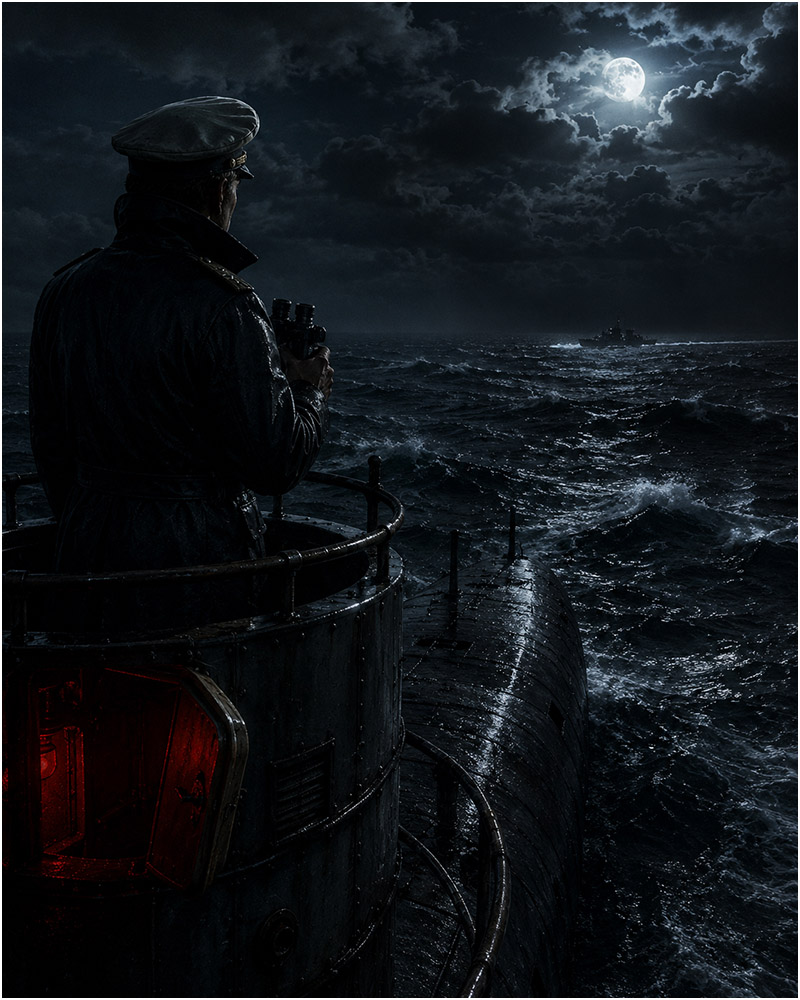
The submarine rose slowly through the heavy Atlantic swells, its steel hull cutting silently beneath the dark water as clouds raced across the fractured moon overhead.
Kapitanleutnant Wolfgang Lüth of UB-91 pulled himself through the narrow conning tower hatch and stepped onto the slick platform above. Wind and freezing spray struck him instantly, whipping at his greatcoat as he steadied himself against the rail.
In one hand he carried binoculars already wet with saltwater.
The Atlantic stretched around them in endless black movement.
Then he saw it.
Far beyond the swells, appearing only in fragments between the waves and shifting moonlight, came the pale bow wake of a ship steaming steadily through the darkness.
Alone.
Lüth raised the binoculars slowly.
The vessel appeared again between two swells — long hull, single funnel, escort profile. Moonlight flashed briefly across wet steel before the darkness swallowed it once more.
A warship.
And isolated.
The captain lowered the glasses carefully, his face unreadable beneath the dim moonlight.
For weeks Allied convoys had become increasingly difficult prey. Destroyers hunted aggressively now, and convoy screens rarely allowed submarines close enough for clean attacks.
But a single escort detached from formation…
That was different.
Another swell lifted UB-91 higher. This time Lüth could clearly see the ship’s bow cutting through the black Atlantic directly toward their position.
The distance closed steadily.
He made his decision instantly.
Turning sharply, he disappeared back down through the hatch into the narrow steel interior of the submarine.
“Luken schließen!” he ordered.
“Close the hatches!”
Crewmen moved immediately.
Heavy steel slammed shut overhead with hollow metallic force as the submarine sealed itself from the sea. Red battle lamps flickered dimly through the cramped control room while engines vibrated beneath the deck plates.
Lüth moved forward between his officers.
“Tauchfahrt auf Sehrohrtiefe.”
“Dive to periscope depth.”
Klaxons sounded sharply through the submarine.
Valves hissed open.
The boat tilted forward as ballast tanks flooded.
Then came the final command, cold and precise:
“Alle Mann auf Gefechtsstationen.”
“All hands to battle stations.”
Around him, the crew sprang into motion.
Men hurried through narrow passageways. Torpedo crews prepared the forward tubes. Depth gauges shifted steadily downward. The electric motors engaged with a low mechanical hum.
Above them, unseen in the darkness, TAMPA continued steaming toward its fate.
The stern of TAMPA rose and fell heavily against the dark Atlantic as Seaman Norman “Goldy” Finch and Oiler Edward Kelly stood watch near the after rail, their collars pulled high against the cold wind sweeping across the deck.
The night smelled of coal smoke and seawater.
Far astern, the Atlantic disappeared into complete darkness beneath racing clouds and scattered moonlight. Every few moments pale silver bands drifted across the swells before vanishing again into blackness.
Finch narrowed his eyes toward the horizon, straining until they watered from the wind.
“I still can’t see a damned thing,” he muttered.
Beside him, Kelly remained motionless, broad hands buried deep inside his coat pockets.
“You’re not supposed to,” he replied quietly.
The younger sailor glanced toward him.
Kelly’s face appeared gray beneath the weak moonlight, older somehow than it had only weeks earlier. The engine-room veteran stared steadily out across the sea with the detached calm of a man long accustomed to danger.
Finch shifted uneasily.
“Few more hours and we’ll be in Wales.”
Kelly nodded once.
“Provided the old girl holds together that long.”
Beneath their boots TAMPA vibrated steadily as her engines drove her onward through the heavy sea. Somewhere forward, waves crashed violently against the bow, sending spray rattling across the deck plating.
The ship felt tired.
Every man aboard felt it.
Months of convoy duty had worked themselves into the steel, machinery, and bones of the crew alike.
Finch exhaled slowly into the cold air.
“Think they’ll send us home after this run?”
Kelly almost smiled faintly.
“No.”
The answer hung between them.
The war would not release men so easily.
Another gust of wind swept across the stern as the clouds shifted overhead. Brief moonlight spilled across the water, illuminating TAMPA’s wake stretching white behind them into the darkness.
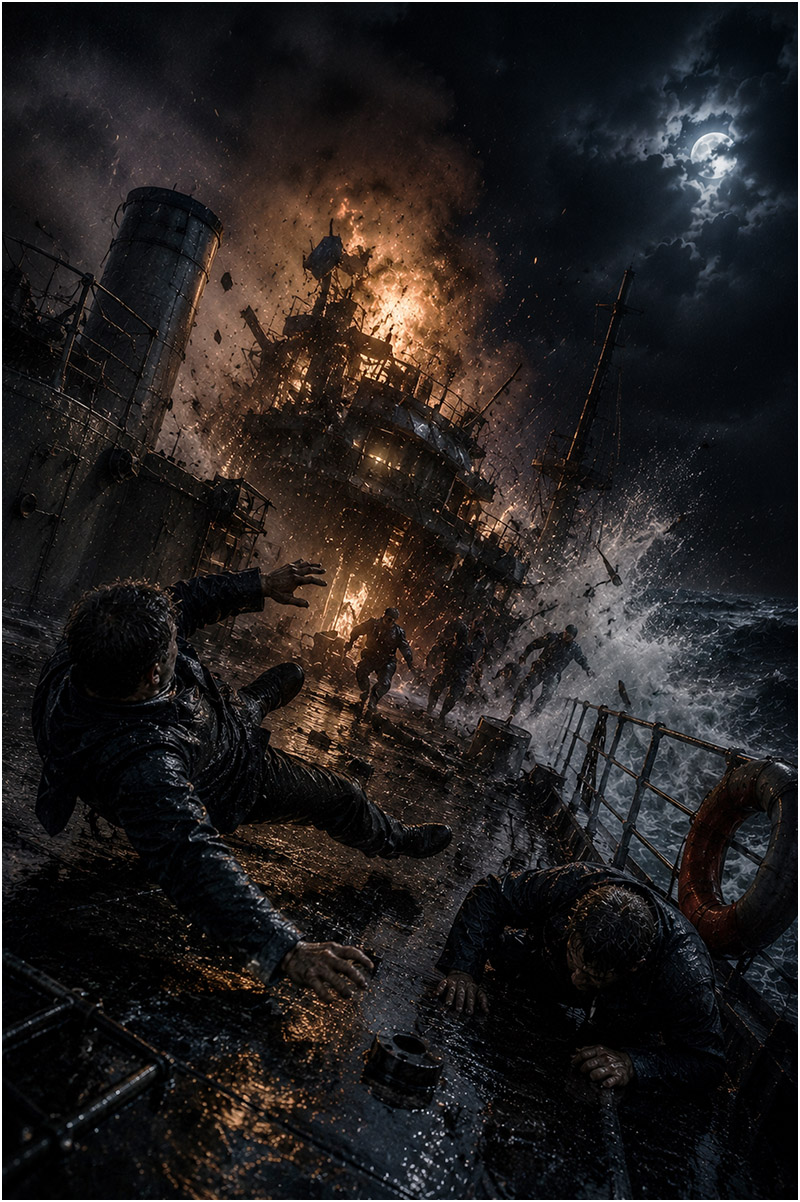
Then the world exploded.
A violent flash erupted amidships with a deafening metallic roar so immense it seemed to tear the night itself apart.
The deck jumped beneath them.
Finch felt himself thrown sideways through the air as steel screamed somewhere below deck. Heat burst outward across the ship. The concussion struck his chest like a giant hammer and knocked the breath from his lungs instantly.
Kelly slammed hard against the rail before collapsing onto the deck plating beside him.
For several seconds neither man could hear anything except a high ringing whine filling their skulls.
Then came the sound.
Screaming metal.
Steam.
Men shouting.
Fire.
Dazed, Finch lifted his head slowly.
The middle of the ship was gone.
Flames roared upward from amidships in a towering column of orange and black smoke as shattered steel curled outward like torn paper. Burning debris rained across the deck. Steam lines ruptured violently beneath the wreckage, hissing white into the darkness.
Everything seemed unnaturally slow.
A sailor stumbled from the smoke with his clothes burning, arms outstretched blindly before collapsing near the hatchway. Another man crawled across the tilted deck dragging useless legs behind him. Somewhere forward, someone screamed for help over and over beneath the roar of escaping steam.
Finch blinked hard, unable to understand what he was seeing.
The ship was dying.
Kelly pushed himself upward painfully beside him, blood running from a cut along his forehead. His expression had changed completely now — no confusion, only grim understanding.
“Torpedo,” he rasped.
Beneath them came the terrible sound of steel tearing apart under the crushing force of the sea.
And slowly, almost gently, TAMPA began to sink.
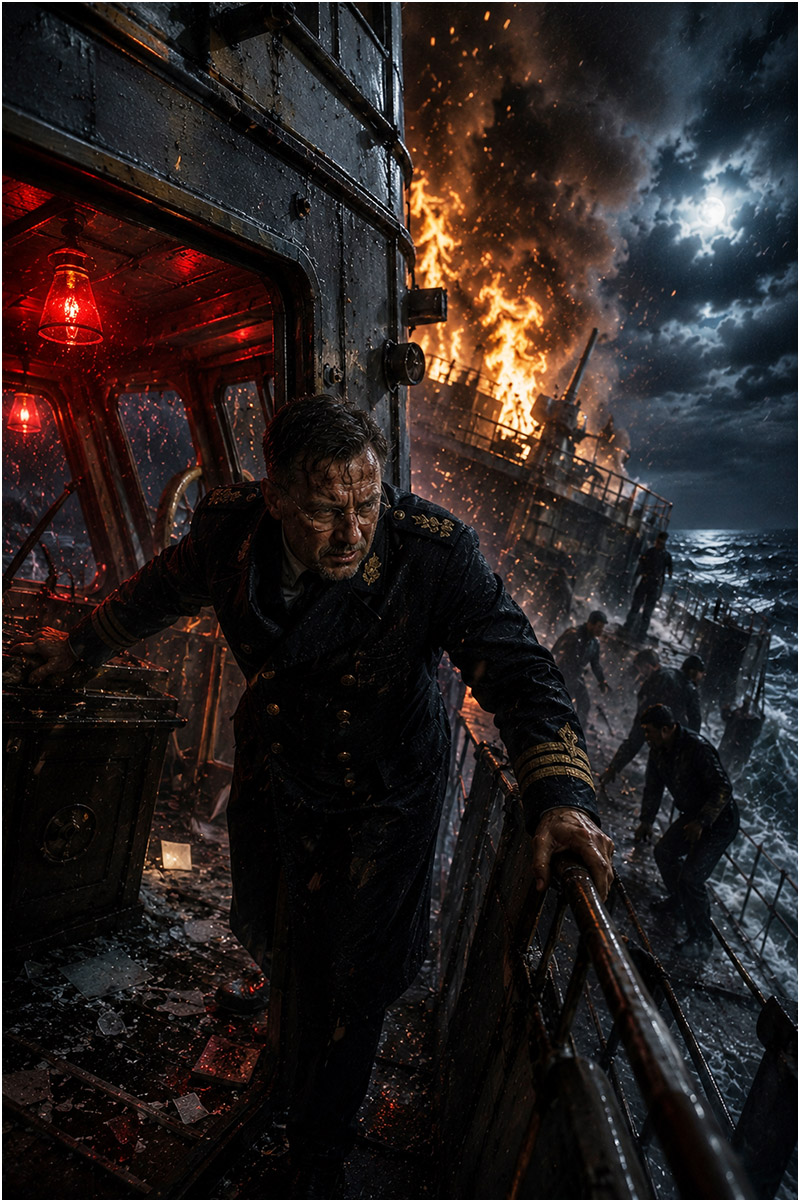
Captain Charles Satterlee struck the pilot house floor hard as the explosion tore through TAMPA amidships.
For several seconds he could neither see nor hear clearly. The world became a blur of shattered glass, smoke, and violently shifting shadows beneath the dim red battle lamps swinging overhead. Somewhere nearby, steam screamed through ruptured pipes with a sound almost human.
The cutter lurched sharply beneath him.
Satterlee forced himself upward, one hand gripping the chart table as the deck tilted under his boots. Blood trickled from a cut above his temple into his right eye.
The middle of the ship was burning.
Flames roared upward beyond the shattered pilot house windows, casting wild orange light across the black Atlantic outside. Thick smoke rolled aft across the deck as men stumbled through it blindly, shouting for orders no one could hear clearly anymore.
The captain staggered through the ruined wheelhouse doorway and onto the starboard gangway.
Cold wind and smoke struck him instantly.
TAMPA was dying beneath his feet.
The cutter had already begun listing heavily to port, her bow sagging lower with every passing second as seawater poured through the shattered hull. Steel groaned deep below deck with terrible, tortured sounds.
“Abandon ship!” Satterlee shouted into the chaos.
His voice vanished almost immediately beneath the roar of fire, steam, and collapsing machinery.
Still gripping the railing tightly, he looked across the deck one final time.
Men were everywhere.
Some crawled. Some burned. Some tried desperately to lower boats already twisted useless against the listing hull.
And then he saw the depth charges.
The rack mounted near the stern had broken loose from its restraints.
Heavy steel cylinders rolled wildly across the slanted deck as TAMPA heeled farther to port. One smashed through a section of railing in a shower of sparks before plunging into the black water below.
Then another followed.
And another.
Satterlee froze.
In that instant he understood exactly what was about to happen.
The charges had already armed.
The sea swallowed them beneath the sinking cutter.
The captain tightened his grip once against the railing, eyes fixed on the dark water racing alongside the hull.
There were only seconds left.
Without hesitation, Charles Satterlee climbed onto the listing rail and dove headfirst into the Atlantic.
The freezing water struck like stone.
Above him TAMPA loomed enormous and burning against the night sky, her stern lifting slowly as the sea consumed her.
Then the depth charges detonated.
The ocean itself erupted.
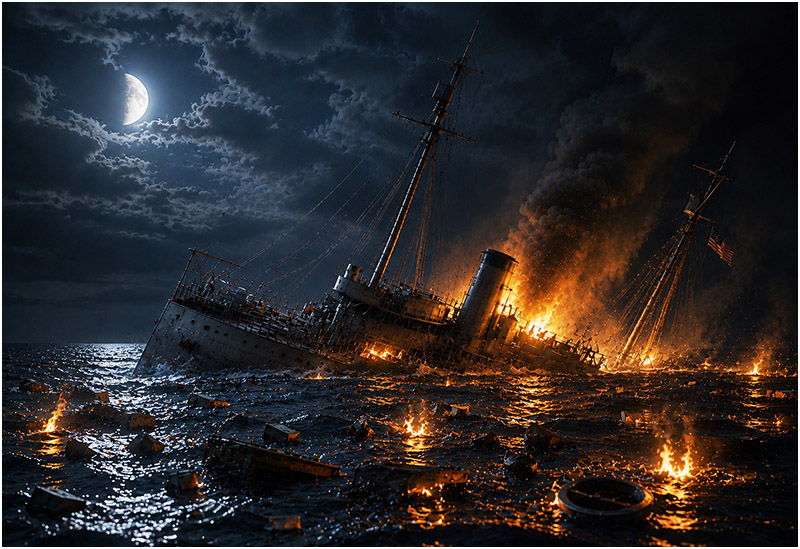
A colossal underwater explosion burst upward beneath the dying cutter with catastrophic force. The sea exploded into a mountain of white water, steam, shattered steel, and fire as the blast ripped through TAMPA’s already broken hull from below.
For one blinding instant the ship seemed to rise out of the ocean.
Then she split apart.
Steel plates folded and burst outward like paper.
Deck guns tore free from their mounts.
Flames and debris shot hundreds of feet into the air.
The concussion thundered across the Atlantic like the wrath of God.
The center of the cutter vanished in a violent bloom of fire and seawater as bow and stern twisted separately into the darkness. Steam boilers ruptured. Burning coal and wreckage rained across the sea.
Then gravity reclaimed her.
The remains of TAMPA plunged downward bow first into the black Atlantic, dragging men, wreckage, and fire into the depths.
Within moments only scattered flames, drifting debris, and widening circles upon the water remained where the cutter had sailed.
Then even those began to disappear beneath the waves.
The Atlantic closed over them all.
This is a work of CGI and text created for illustrative purposes; while inspired by real-life accounts and actual events, characters, details, and appearances may have been digitally altered or fictionalized for narrative purposes.
Dive Discovery Video's
Video of the USCGC TAMPA by Deep Wreck Diver
Contact Deep Wreck Diver
Video of the USCGC TAMPA by The Diver's Ledger
Contact The Diver's Ledger
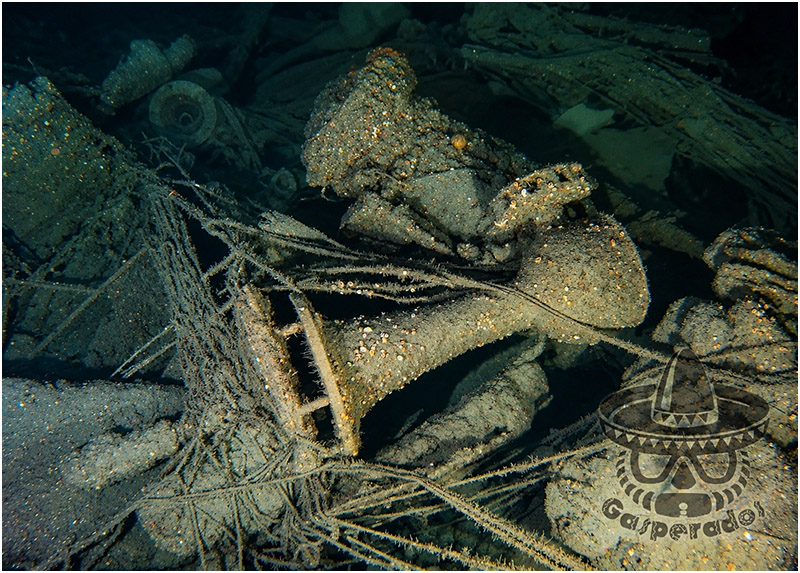
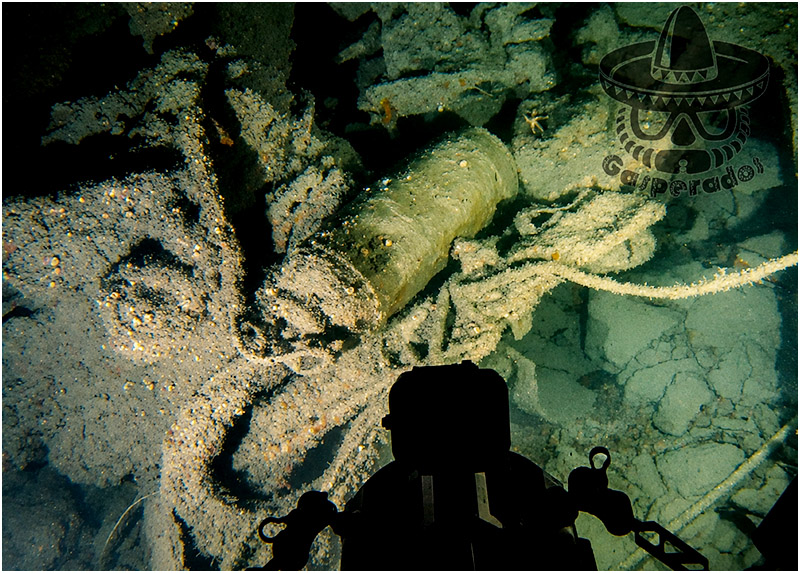
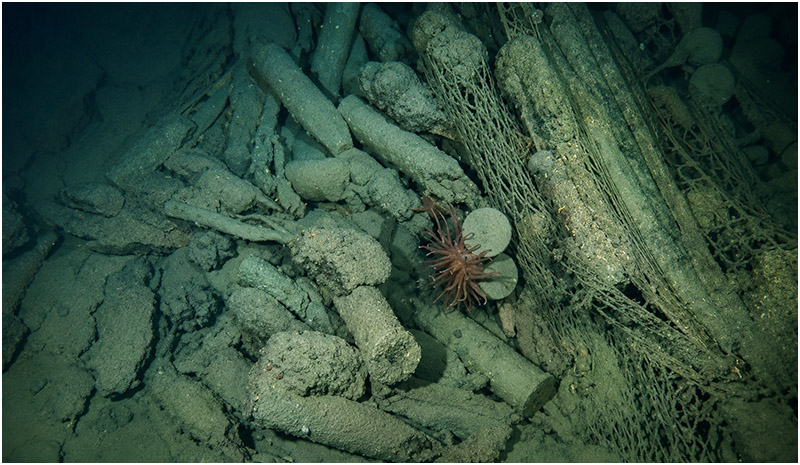
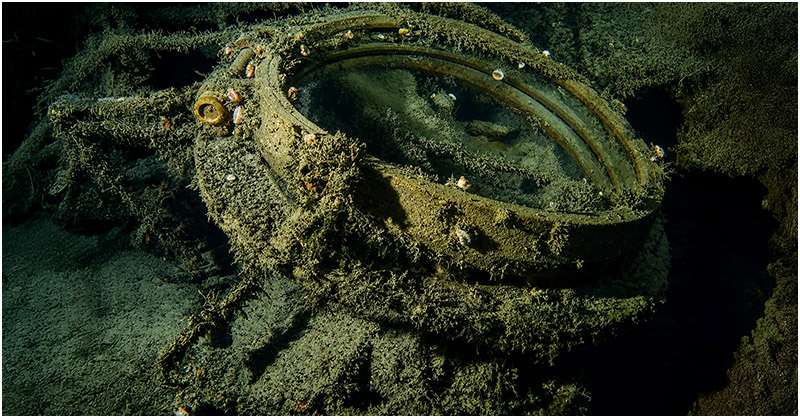
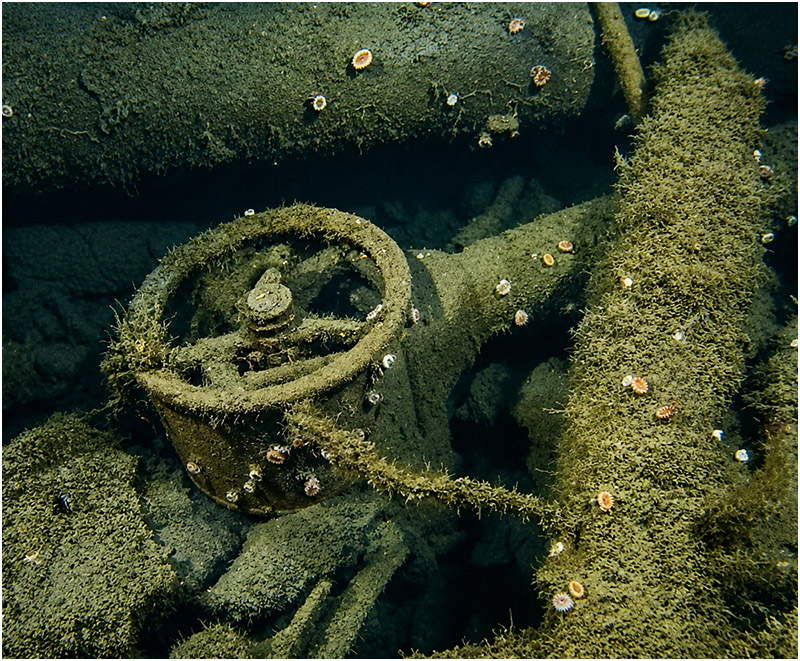
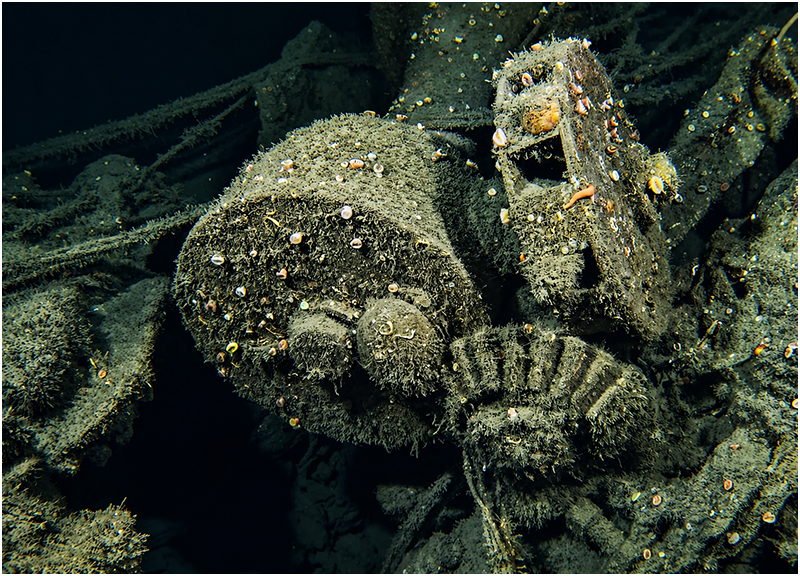
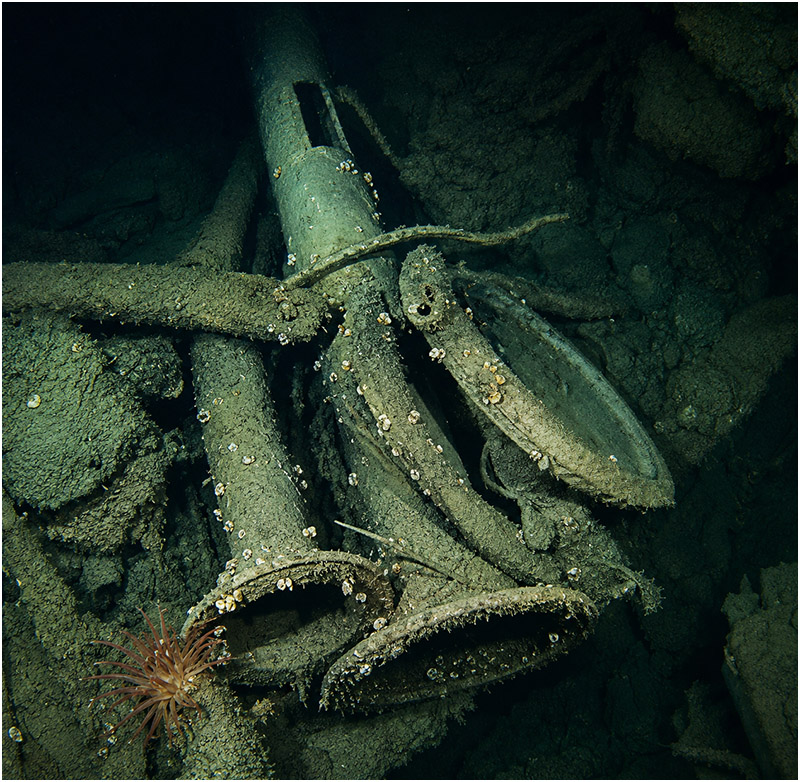
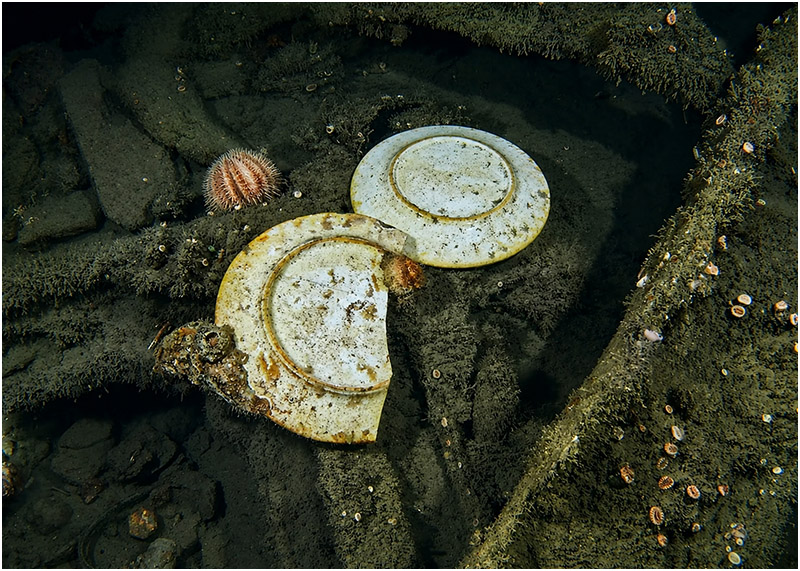
Dive Images of the USCGC TAMPA (95m-315ft)
Photos by Dominic Robinson and James Gregory
USCGC TAMPA HISTORICAL IMAGES
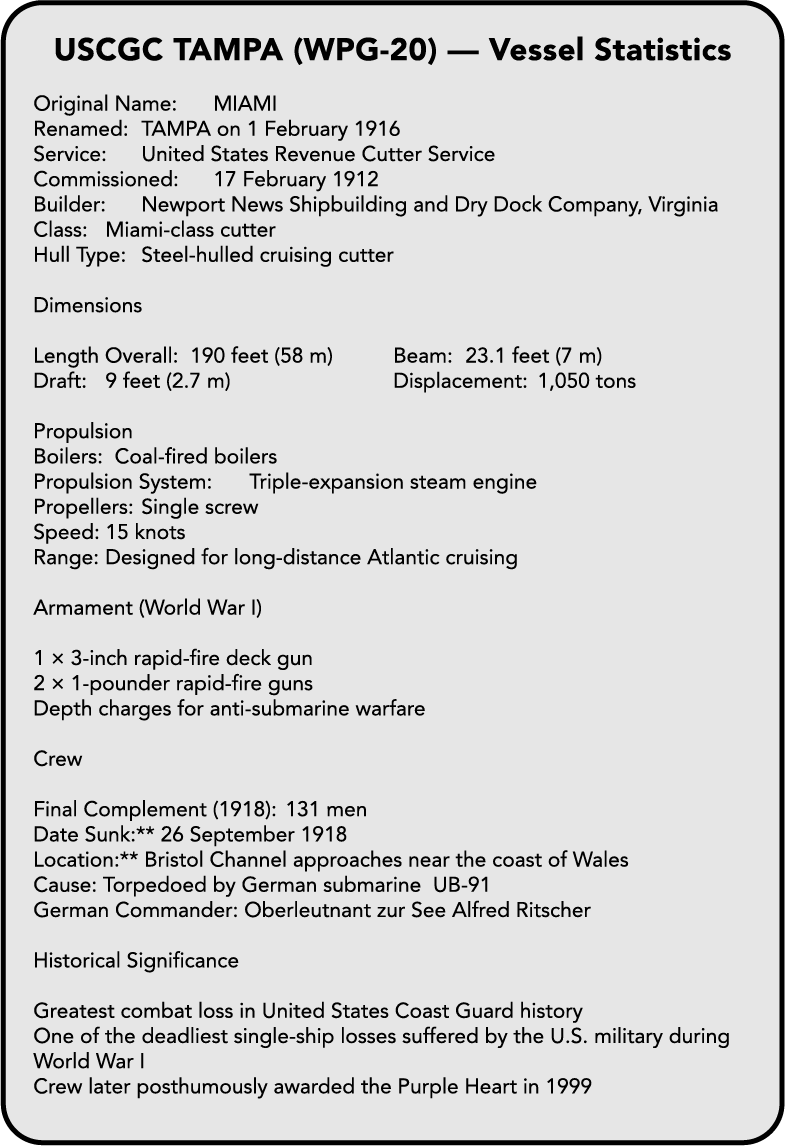
The United States Coast Guard cutter TAMPA underway during the First World War, circa 1917–1918. Originally commissioned as MIAMI in 1912, the 190-foot cutter served with distinction escorting Allied convoys across the submarine-infested Atlantic before being torpedoed and sunk by German submarine UB-91 on 26 September 1918 with the loss of all 130 men aboard.
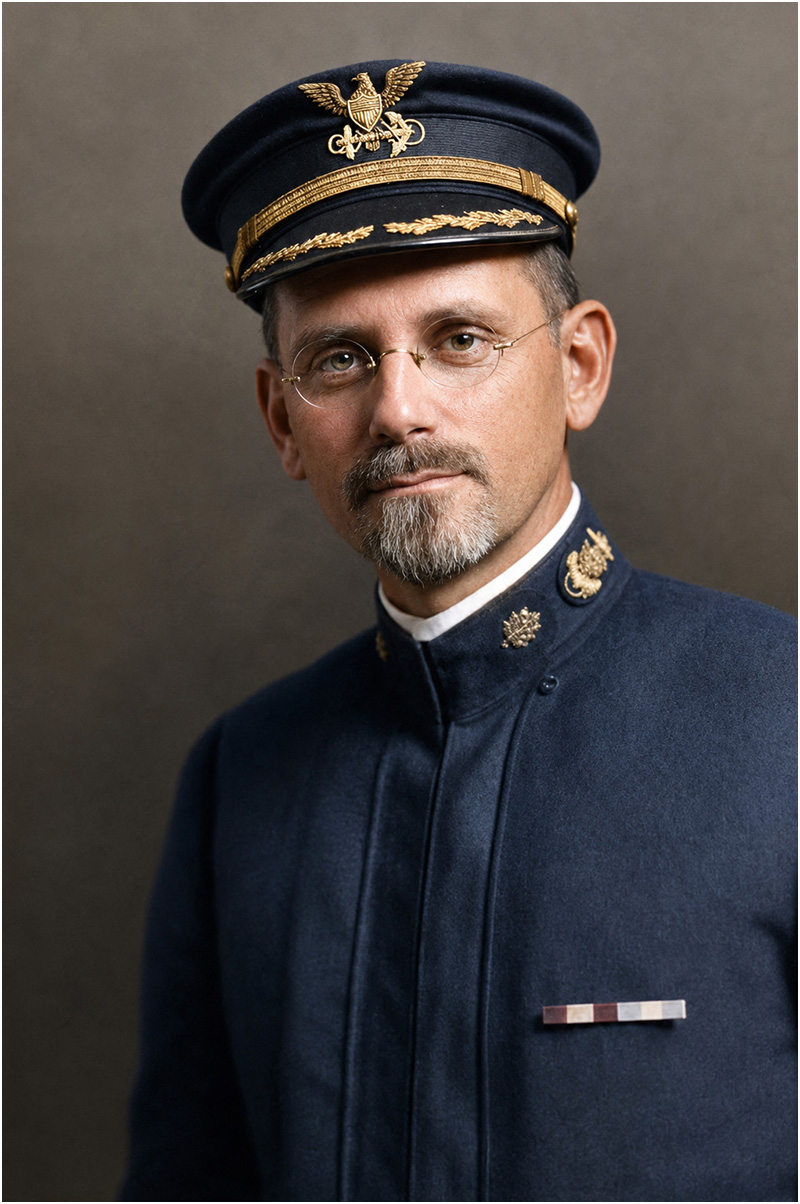
Captain Charles Satterlee, commanding officer of the United States Coast Guard cutter TAMPA during World War I. A veteran officer of exceptional professionalism and integrity, Satterlee began his career as a cadet in 1895 and devoted more than two decades to the Revenue Cutter Service and Coast Guard. Known for his calm leadership, discipline, and deep sense of duty, he guided TAMPA through some of the most dangerous convoy operations of the Atlantic war. His surviving letters reveal not only a capable commander, but also a thoughtful and reflective man who found peace in England’s quiet countryside, small villages, and rural farms during rare moments away from the sea.
Seamen Norman Walpole (left) and Alexander Saldarini (right) photographed at Gibraltar during the final year of World War I, circa 1917–1918. Childhood friends from Weehawken, New Jersey, the two sailors served together aboard the cutter TAMPA and perished side by side when the vessel was sunk on 26 September 1918.
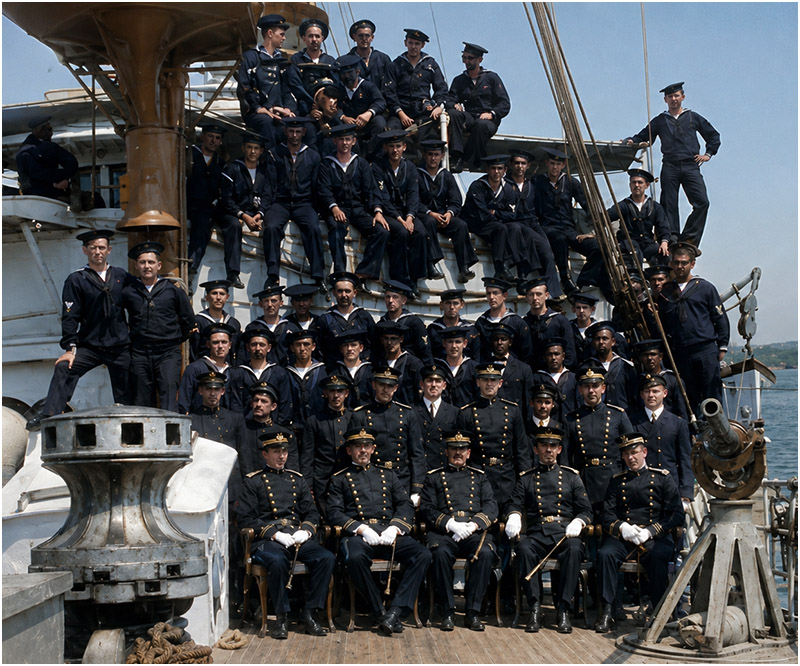
Crewmen and officers of the United States Coast Guard cutter TAMPA pose aboard ship during World War I, circa 1917–1918. Drawn from towns and cities across America — and from several foreign nations — the 131-man crew served together escorting Allied convoys through the dangerous waters of the North Atlantic.
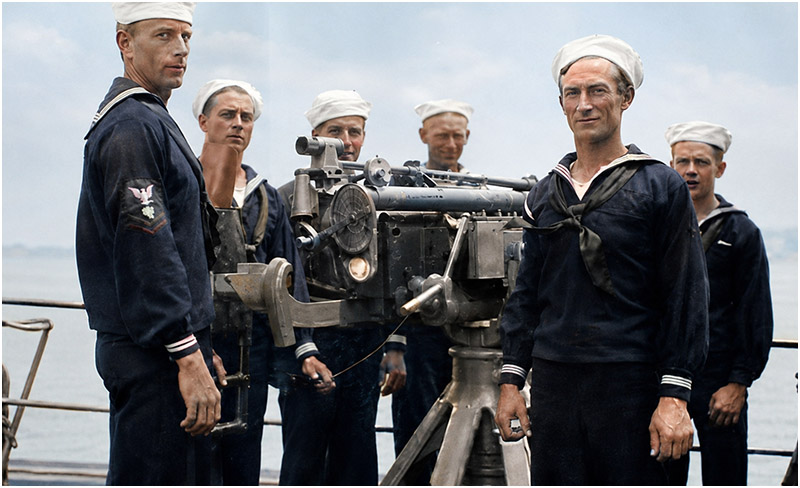
Crewmen aboard the U.S. Coast Guard cutter Tampa gather around one of the ship’s deck guns during wartime service, circa 1917–1918. Sailors in traditional naval uniforms stand on the open deck as the gun crew poses beside the mounted weapon with the sea visible beyond the rail.
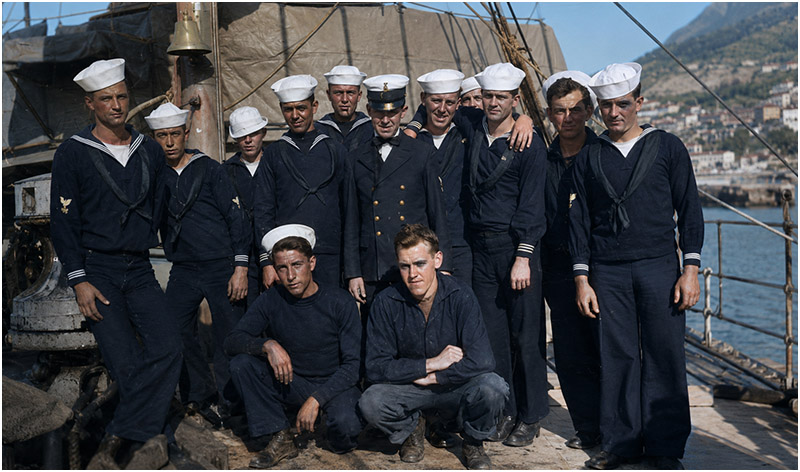
Crewmen of the United States Coast Guard cutter TAMPA pose together on deck while anchored at Gibraltar during World War I, circa 1917–1918. Drawn from cities, farms, and immigrant communities across America, the men of TAMPA formed a close-knit crew forged by months of dangerous convoy duty in the submarine-infested Atlantic. The cutter regularly stopped at Gibraltar between escort missions, giving sailors rare opportunities for rest before returning to sea. Nearly every man pictured here would perish when TAMPA was torpedoed and sunk by German submarine UB-91.
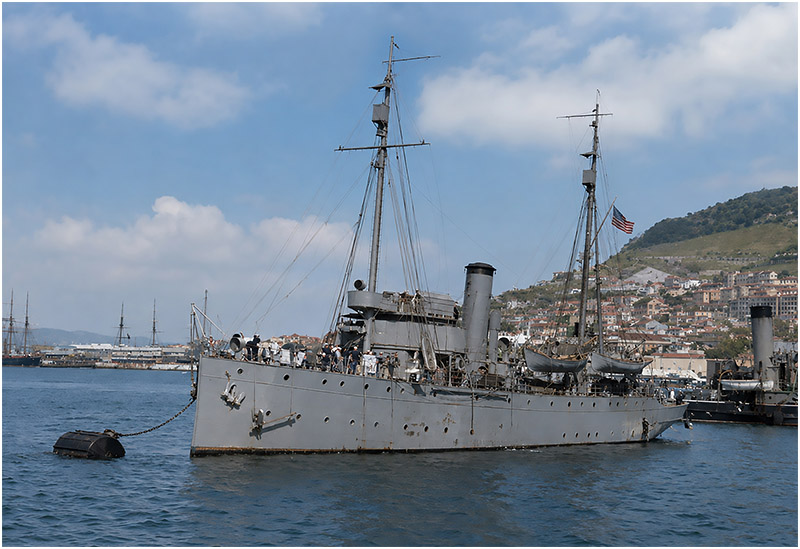
The United States Coast Guard cutter TAMPA anchored in Gibraltar Harbor during World War I, circa 1917–1918. Originally commissioned as MIAMI in 1912, the cutter became a familiar sight in the British fortress port while escorting Allied merchant convoys through the dangerous submarine-infested waters of the North Atlantic. Coal smoke, saltwater, and months of relentless wartime service had weathered the once-pristine vessel by the final year of the war. On 26 September 1918, TAMPA was torpedoed and sunk by German submarine UB-91 off the coast of Wales with the loss of all 130 men aboard — the deadliest combat loss in United States Coast Guard history.
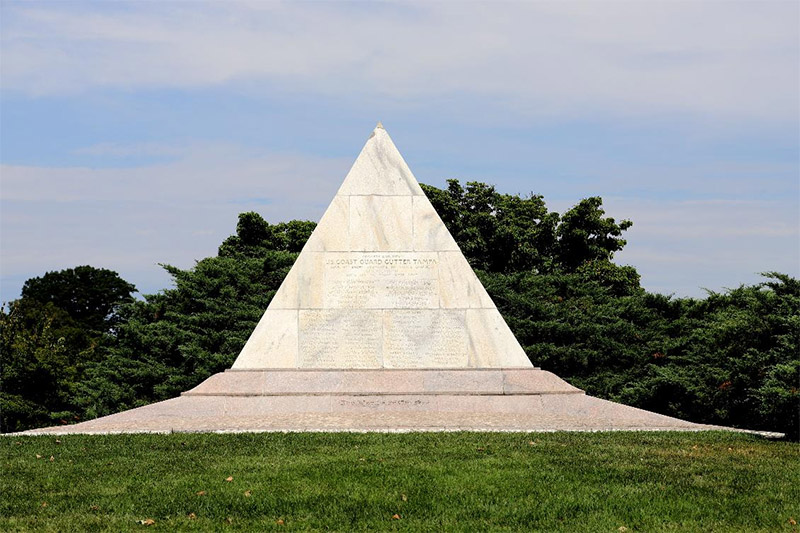
Names of the lost crew of the USCGC TAMPA
Captain
Charles Satterlee
1st Lieutenant of Engineers
John Thomas Carr
1st Lieutenant
Roy Ackerman Bothwell
Archibald Howard Scally
James Marsden Earp
James Alexander Frost, Jr
John Farrell McGourty
LTJG, Assistant Surgeon
Hadley Howard Teter
Ensign
Edward Reavely
David A. Hoffman
Gunner
Jules Garnier Darnou
Carpenter
Charles Henry Klingelhoefer
Carpenter 2/C
Francis Hugh Quigley
Machinist
Wilhelm Knudsen
Machinist 1/C
Benjamin Nash Daniels
Hans Ivar Johanson
Chief Engine Room Artificer, 2nd Class
John Lakey
Pharmacist’s Mate, 2/C
Carl Lewis Dalton
Electrician 1/C
Francis Joseph Taylor
Electrician 2/C
William Benson Clements
George Henry Griffiths
Electrician 3/C
Hubert Holstein
William Foster Newell
Signal Quartermaster
John Francis Healy
Quartermaster
Arthur Joseph Deasy
Hans Hansen
Alexander Louis Saldarini
Acting Quartermaster
Norman Stanley Walpole
Coxswain
John Cieslw Kosinski
John Fred Miller
John Smith
Harold Tonneson
Ship’s Writer
Jacob Darling Nix
Wamboldt Sumner
Louis Franklin Vaughan
Boatswain
William Hickey
Bayman
Edward Francis Shanahan, Jr
Master at Arms
Joseph Cygan
Ludvig Andres Larsen
Assistant Master at Arms
Earle Clarke Bell
Anders Poulsen
Acting Wheelman
Justin Plummer Wiley
Oiler 1/C
Edward William Kelly
Gerassemos Mehalatos
Water Tender
Algy Knox Bevins
Francis Charles Garrett
Fred Wesley Wyman
Acting Water Tender
Benjamin E. Nelson
Fireman
Robert Leake Agee
Arthur Lee Bevins
Roy Wallace Burns
William Francis Deering
William Pizza Hastings
Angus Nelson MacLean
Frederick Mansfield
Julius Maxim Vallon
Francis Richard Scott
John Edgar Talley
William James Williams
Coal Heaver
Harold Benjamin Irish
Cook
Maurice James Hutton
Perry Edward Roberts
Steerage Cook
Charles Edward Greenwald
James Cristopher Wilkie
Cabin Steward
James Jenkins Adams
Wardroom Steward
William Weech
Seaman
Leonard Richardson Bozeman
John Nicholas Bouzekis
Stanley Shields Cooke
Richard Edward Cordova
Alfonso Joseph Busho
Francis William Creamer
Edgar Francis Dorgan
Norman Wood Finch
James Marconnier Fleury
Harold Michel Haughland
Arthur Thomas Harris
Clement Minor Lawrence
Shelby Westen Layman
Joseph Robert Lieb
William Henry Reynolds
Michael Sarkin
Paul Bartley Schwegler
Homer Bryan Sumner
Louis Avery Thomas
Francis Leroy Wilkes
Ordinary Seaman
John Robertson Britton
Clarence Milton Faust
William Leonard Felton
Charles Dechrit
Felix George Poppell
Able Seaman
George William Hodge
Henry James Hodge
Ernest William Jefferies
Boy 1/C
Herman A. Carmichael
Walter Randolph Connell
Albert Cecil Emerson
Herrick Leopold Evans
Peter Fonceca
Bert Hunter Lane
Eston Drew Legree
Harold George Myers
Wesley James Nobles
Robert Norwood
Charles Walter Parkin
Robert Green Robertson
Jimmie Ross
Irving Alexander Slicklen
Charles Henry Thompson
Paul Other Webb
Stoker
Henry Girvin
John Milliken
Harry Ervin Welch
Petty Officer Telegraphist
James Frederick Brett
Ordinary Telegraphist
John Reginald Radcliffe
Holder, Officer’s Steward, 2nd Class
Ernest Albert Whitworth Holder
Hired Joiner
Charles Robert Cornall
Hammerman
William John Hobbs
Shipwright
Edwin Skyrme
Henry Walter Vaughan
Joiner
William Henry Walters
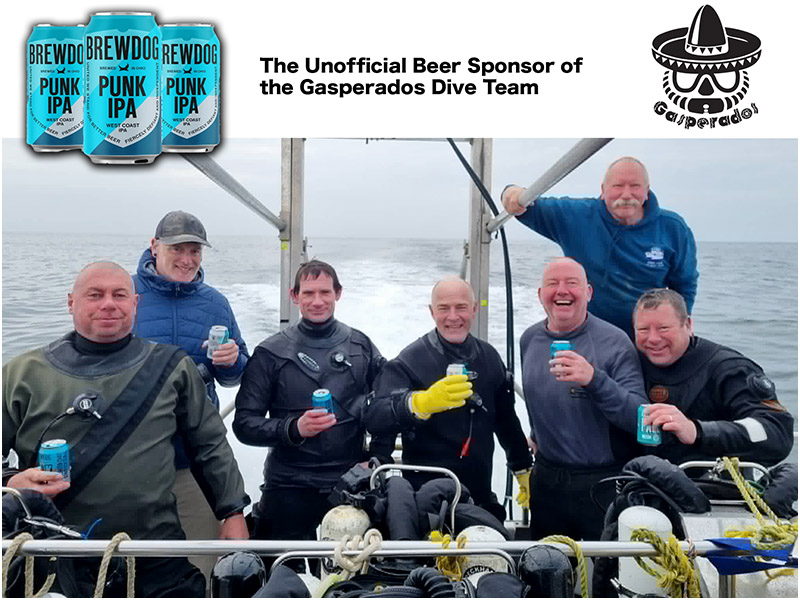
The Dive Team
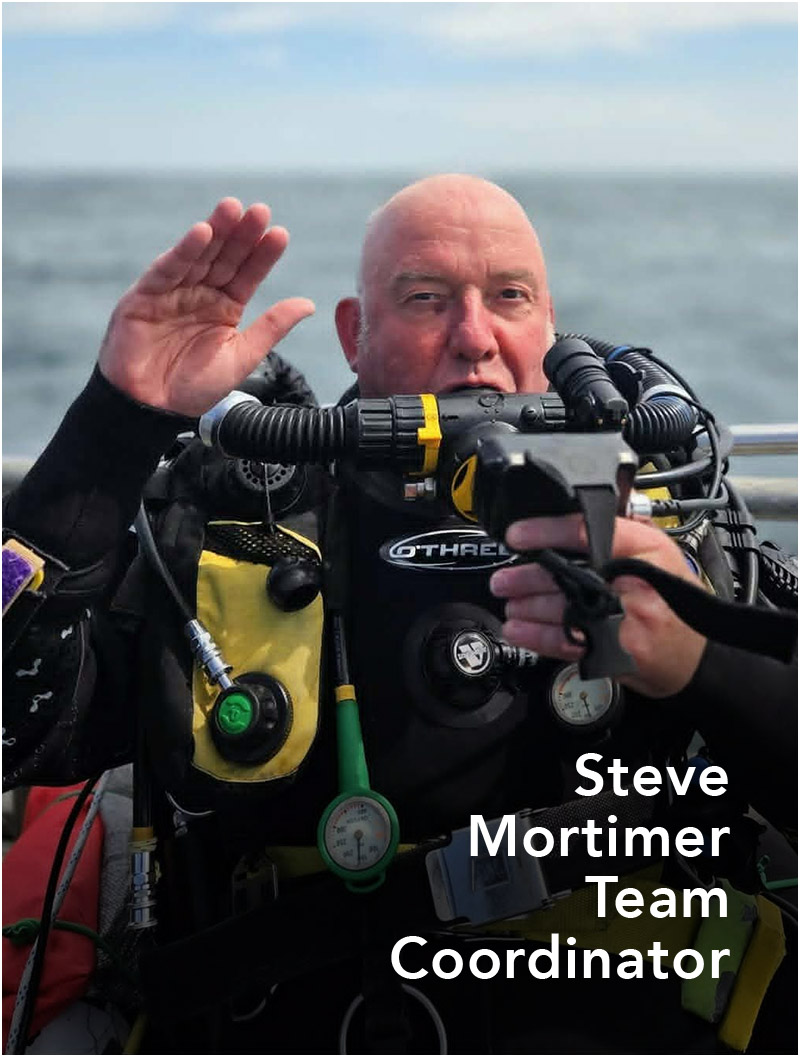
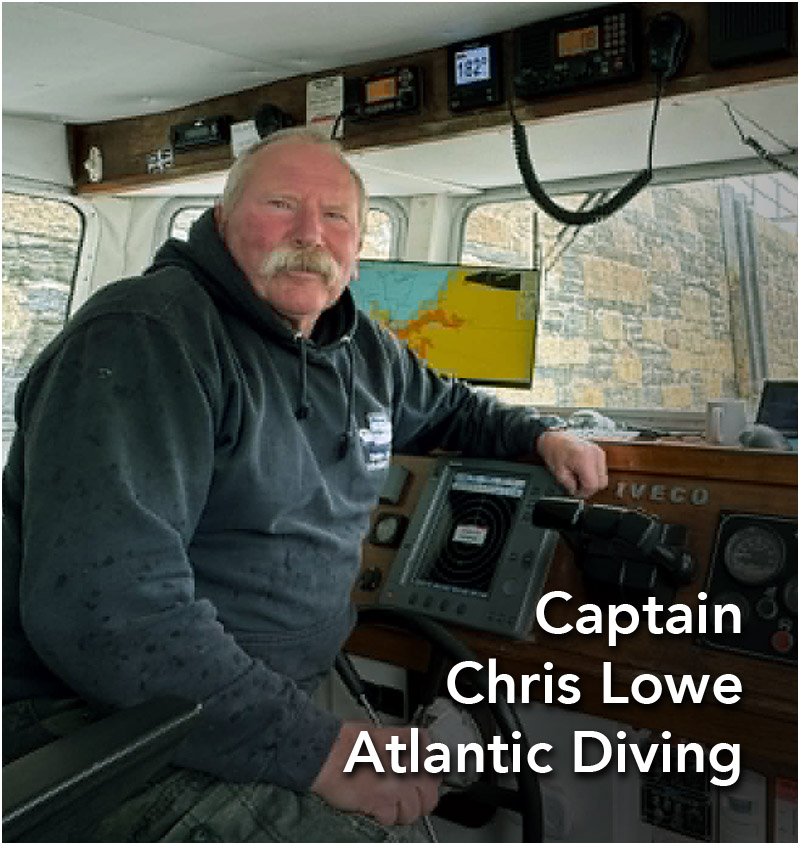
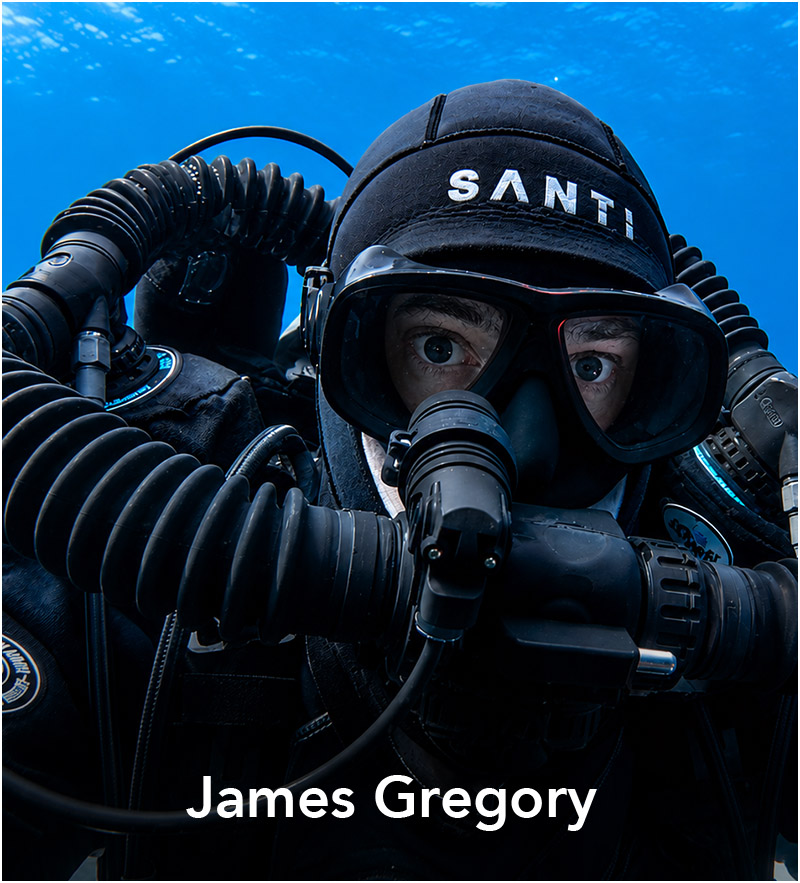
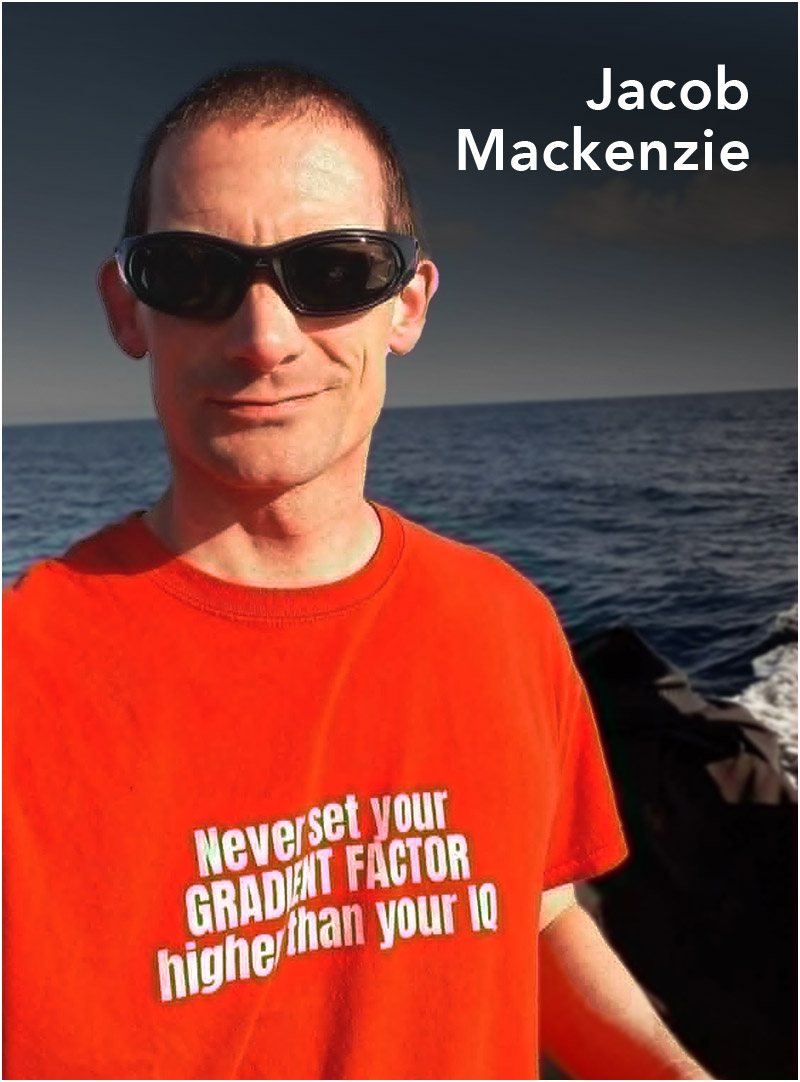
Left to Right: Steve Mortimer, Jacob Mackenzie, James Gregory, Dominic Robinson, Steve Green, Duncan Haywood, Chris Lowe and Paul Downs





 Along the steel decks of the United States Coast Guard cutter TAMPA, sailors returned aboard in uneven groups after forty-eight precious hours of shore leave. Their boots rang hollow against the deck plating as laughter, cigarette smoke, and shouted farewells drifted upward from the gangway. Some carried parcels wrapped in brown paper. Others returned empty-handed, reluctant to leave behind the brief illusion of peace found in Gibraltar’s narrow streets, crowded cafés, and dim waterfront taverns.