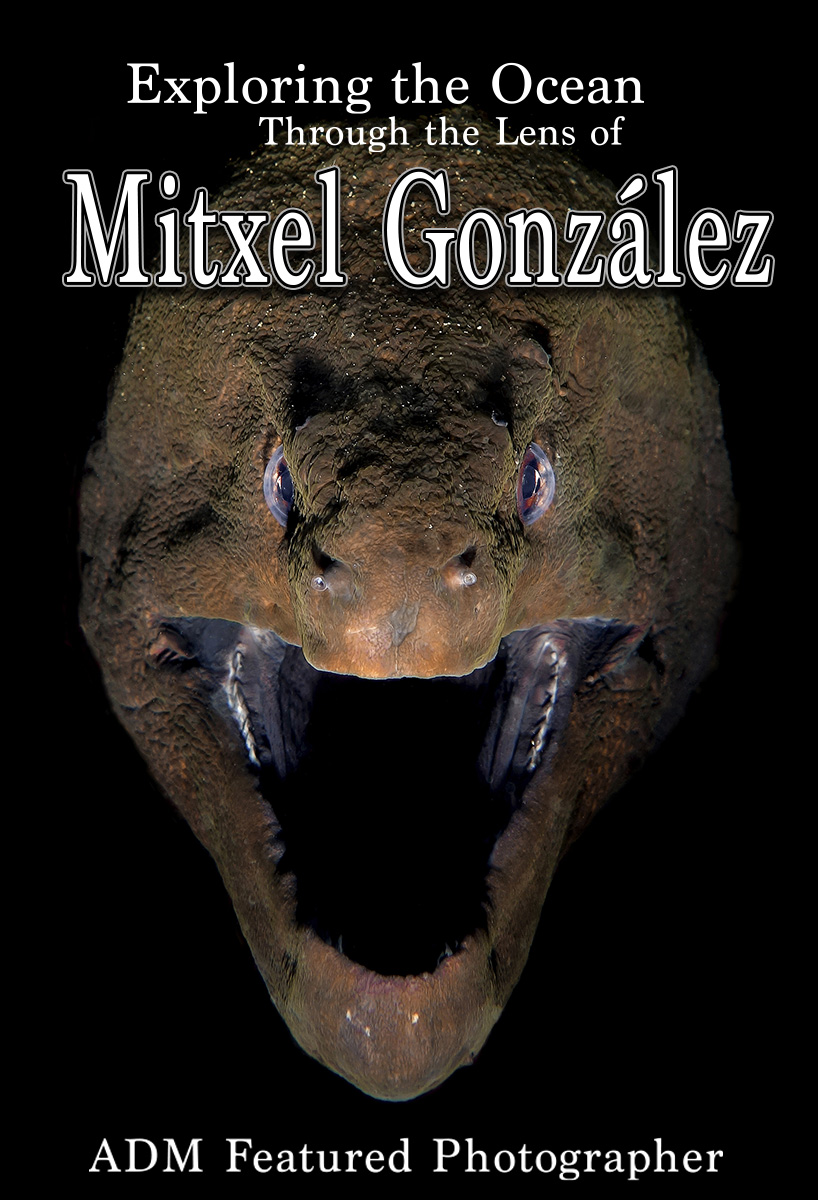
Mitxel González - ADM Featured Photographer


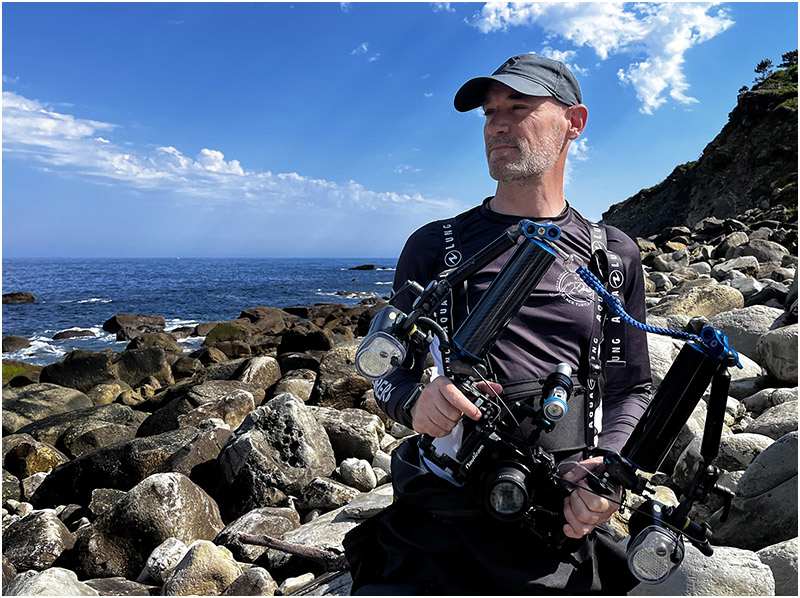
Born and raised on the Basque coast, where the sea is an essential part of local culture, I am an underwater photographer, marine conservation advocate, and PADI Instructor whose life has been shaped by a deep and lasting connection with the ocean.

From an early age, the sea became my natural environment and my main source of inspiration, guiding me toward diving, underwater exploration, and eventually photography as a way to understand and share life beneath the surface.

My journey in diving and my travels across diverse marine environments have taken me from the cold waters of the Cantabrian Sea to the vibrant coral reefs of Southeast Asia and the Indian Ocean, among other parts of the world. Each destination has offered new perspectives and lessons learned beneath the surface.

Over the years, I have had the privilege of exploring a wide variety of ecosystems, from temperate rocky reefs to coral-rich tropical seas. These experiences have shaped my photographic vision and reinforced a simple belief: every marine environment holds stories worth telling. While tropical locations often draw attention, I remain deeply connected to the waters of the Basque coast, whose biodiversity continues to surprise me even after many years in the water. It is a reminder that extraordinary encounters are often much closer than we think.

My work has been published in leading international magazines in the fields of diving and the marine world, and has received recognition from leading brands in the industry. While these opportunities have helped broaden my reach, what truly drives me is photography’s ability to create a meaningful connection between people and the ocean. A single image can spark curiosity, inspire respect, and ultimately foster a greater sense of responsibility toward the natural world.

Conservation is at the core of everything I do. The marine environment is under increasing pressure from pollution, habitat degradation, climate change, and overexploitation. Photography alone cannot solve these challenges, but it can change perception. When people feel connected to nature, they are far more likely to value and protect it.

Whether documenting a small macro subject hidden among the rocks or a powerful encounter on a remote reef, my intention remains the same: to create images that invite viewers to pause, look closer, and appreciate the extraordinary life that exists beneath the surface. Every dive begins with curiosity. Every image is an attempt to share that feeling.

For collaborations, brand partnerships, editorial assignments, licensing, and fine art print sales, I welcome opportunities aligned with ocean storytelling and marine conservation values.

To see more of my work, I invite you to visit and follow my Instagram portfolio: @mitxel_uwphoto. For inquiries or proposals, please feel free to reach out via direct message.

 
(click image to enlarge)
 
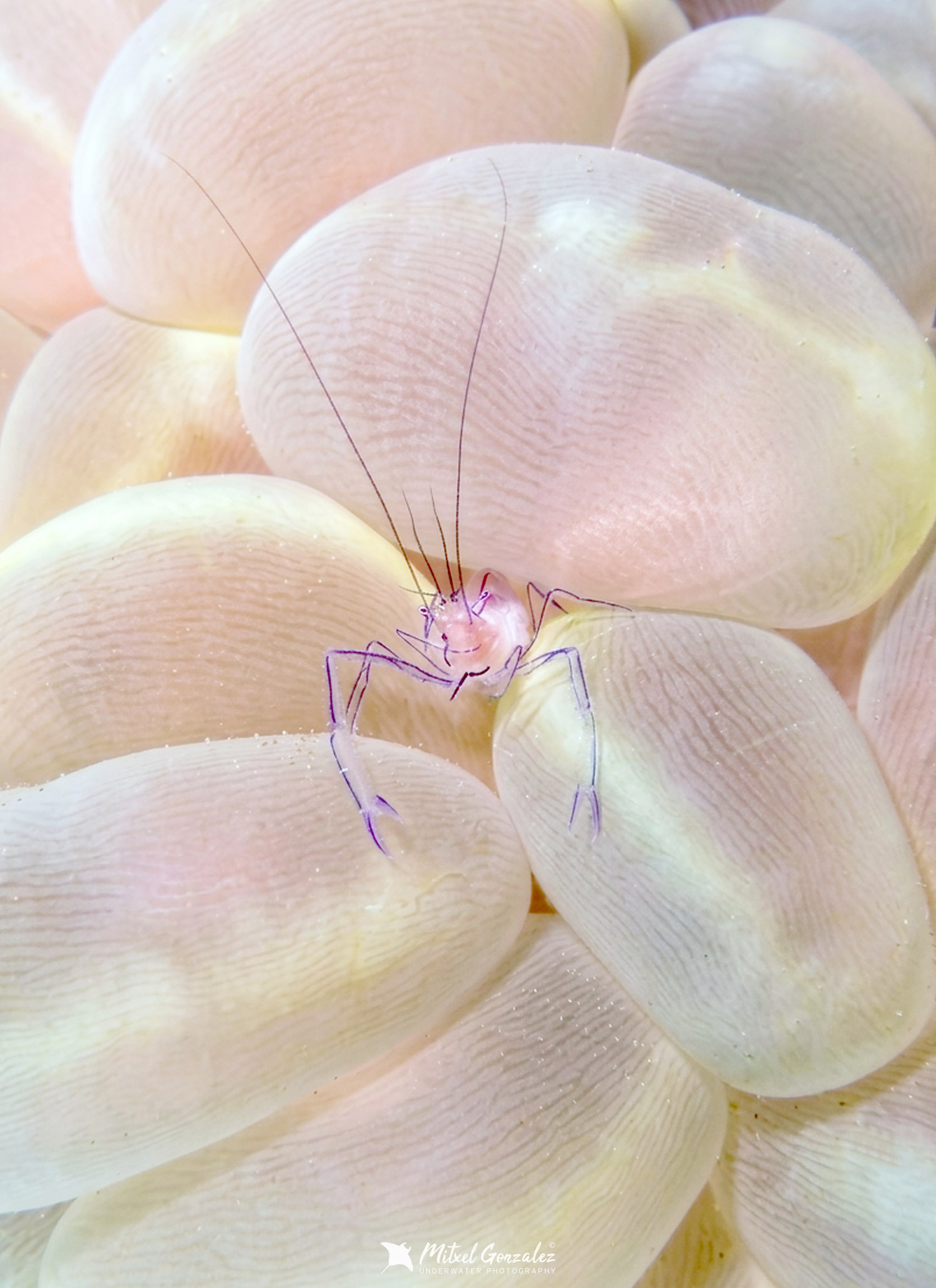
Hidden among the delicate tentacles of a bubble coral, this tiny shrimp (Vir philippinensis) lives a life of perfect camouflage. Its translucent body and subtle hues make it almost invisible to the untrained eye — a true master of disguise in the underwater world.


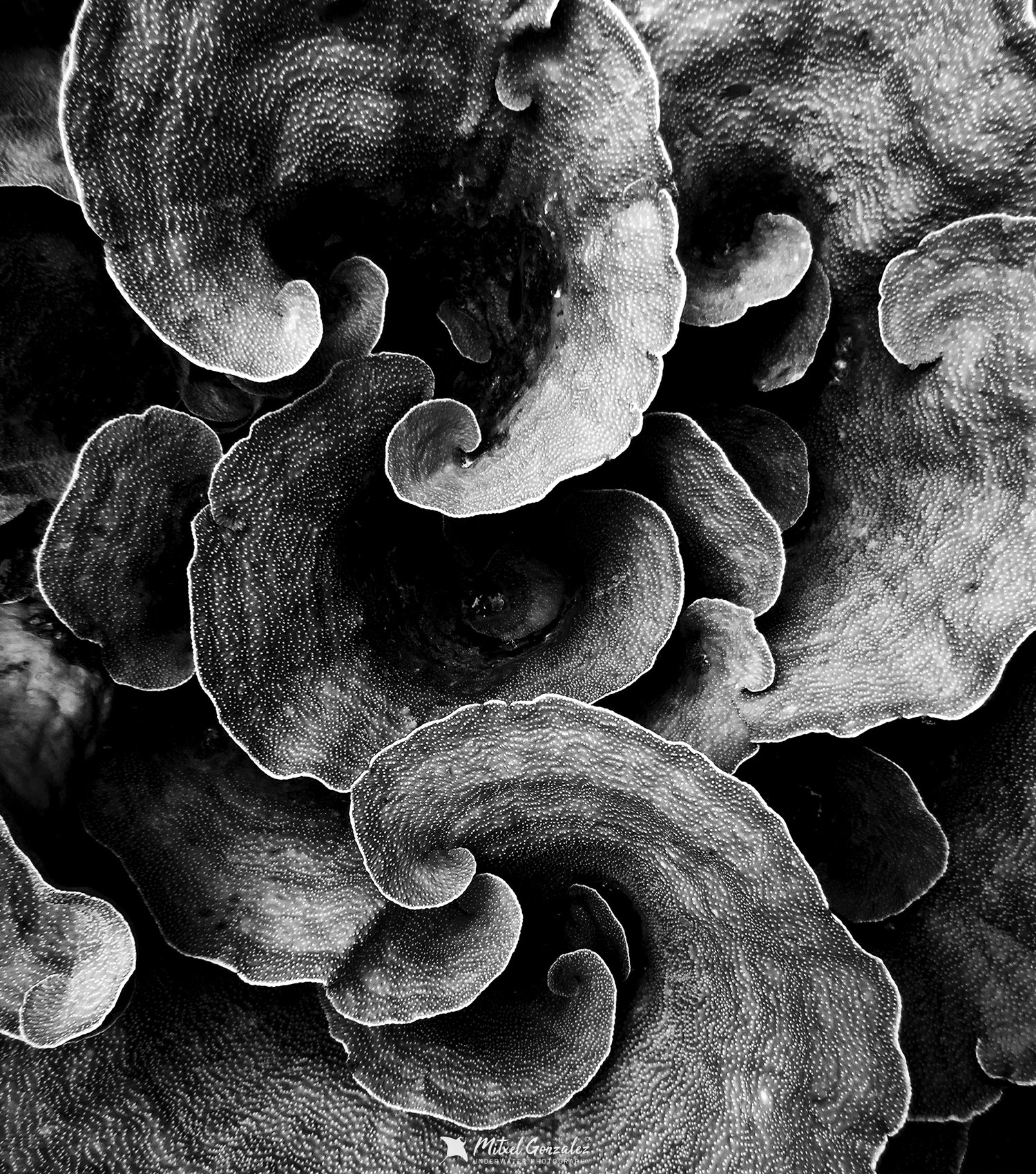
In the remote waters of Sipadan Island, Borneo, this coral unfolds its spiraling plates like a true masterpiece of natural architecture.

Montipora foliosa is a hard coral that grows into plate-like structures, optimizing light capture and nutrient flow.

Its tiny polyps, visible as a dotted texture, work tirelessly to build its calcium skeleton, creating shelter for a wide range of marine life.


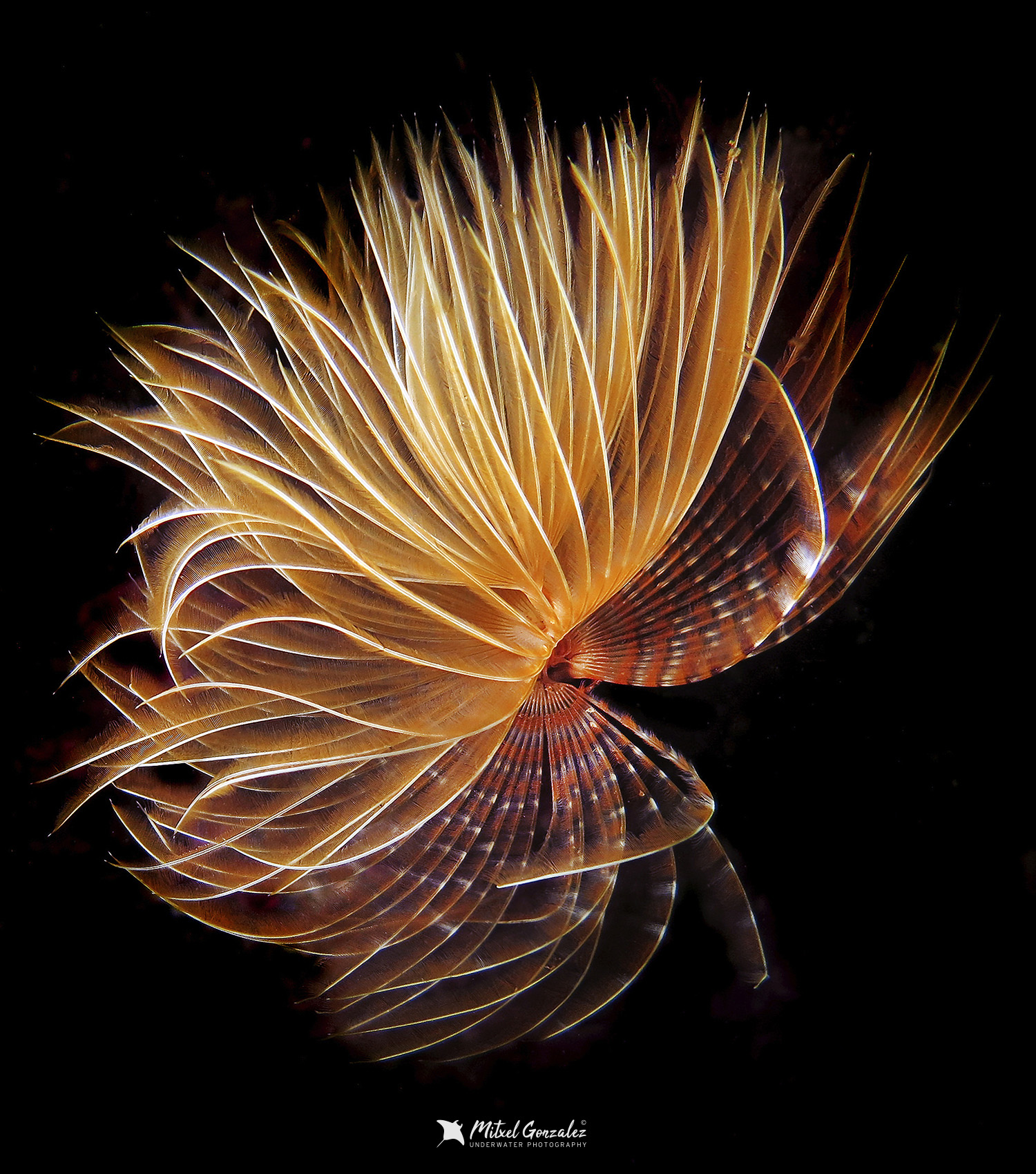
Sabellidae, or feather duster worms, are a family of marine polychaete tube worms characterized by protruding feathery branchiae. Sabellids build tubes out of a tough, parchment-like exudate, strengthened with sand and bits of shell.


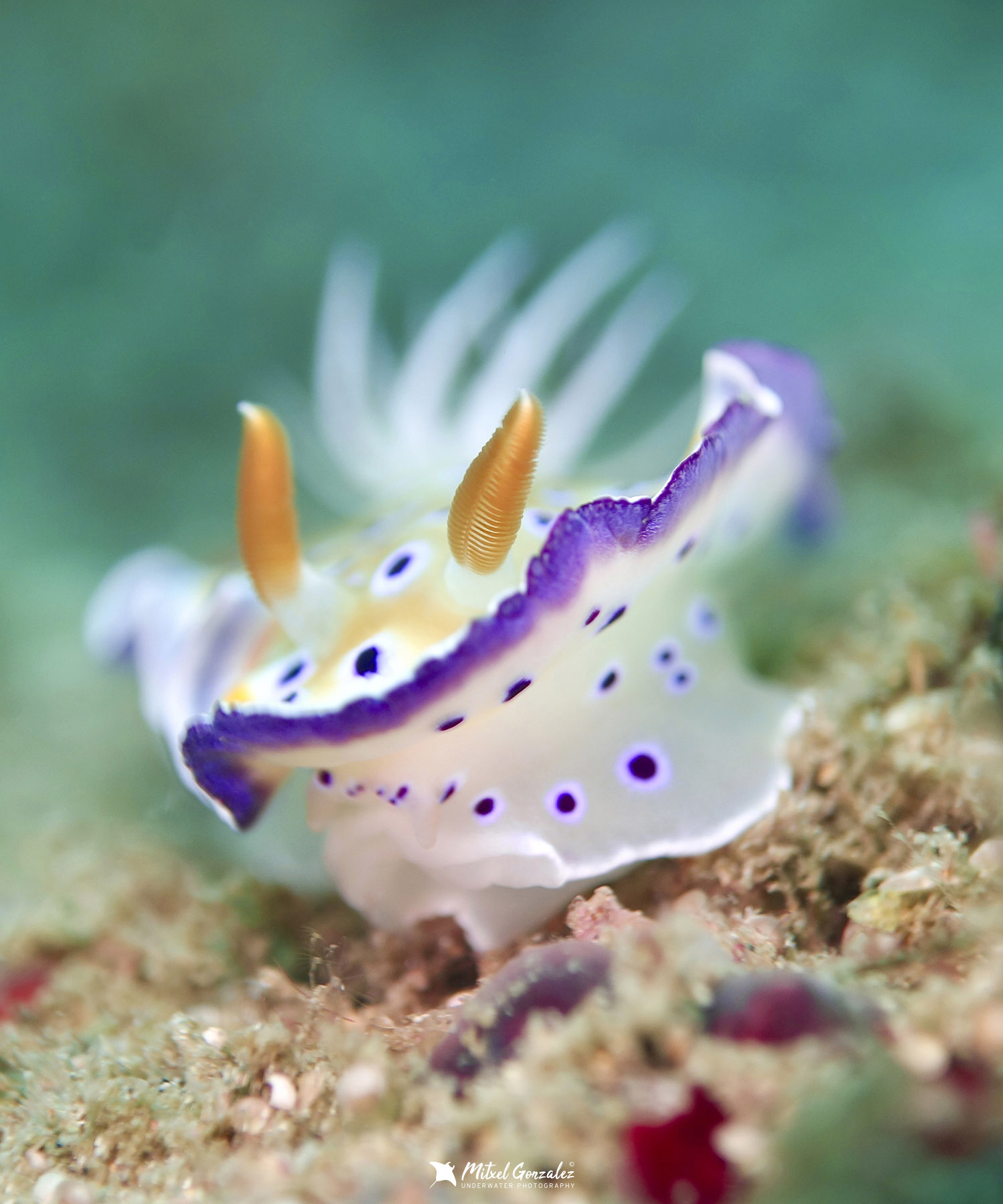
Meet the Goniobranchus kuniei, a tiny sea slug that proves even the smallest creatures can be show-stoppers.

Its vivid colors aren’t just for beauty — by feeding on specific sponges, it stores their toxins, warning predators to stay away. Nature’s own safety sign!

Did you know nudibranchs use color as a defense mechanism?


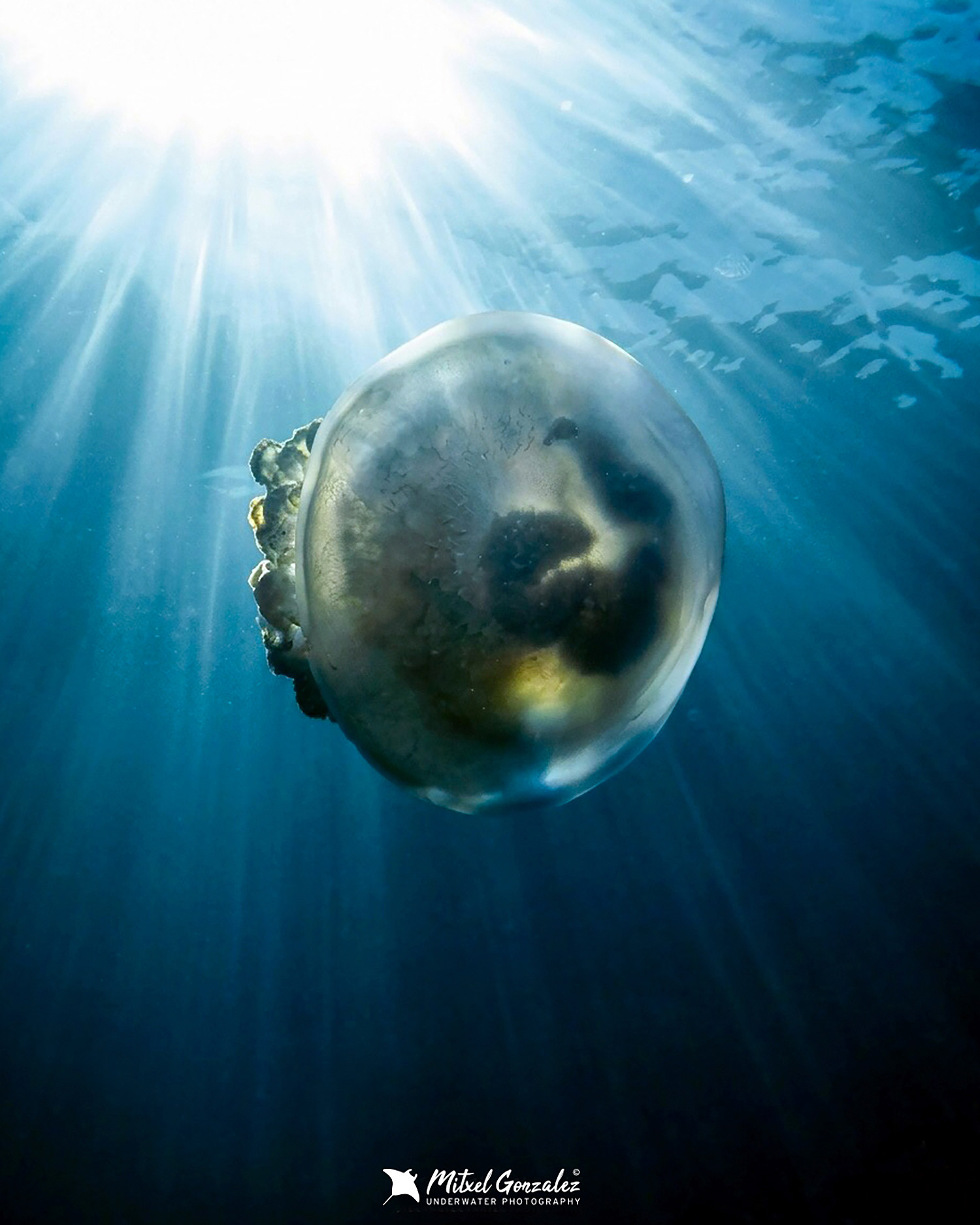
Jelly Fish Backlighting - Hondarribia, Basque Coast. Spain


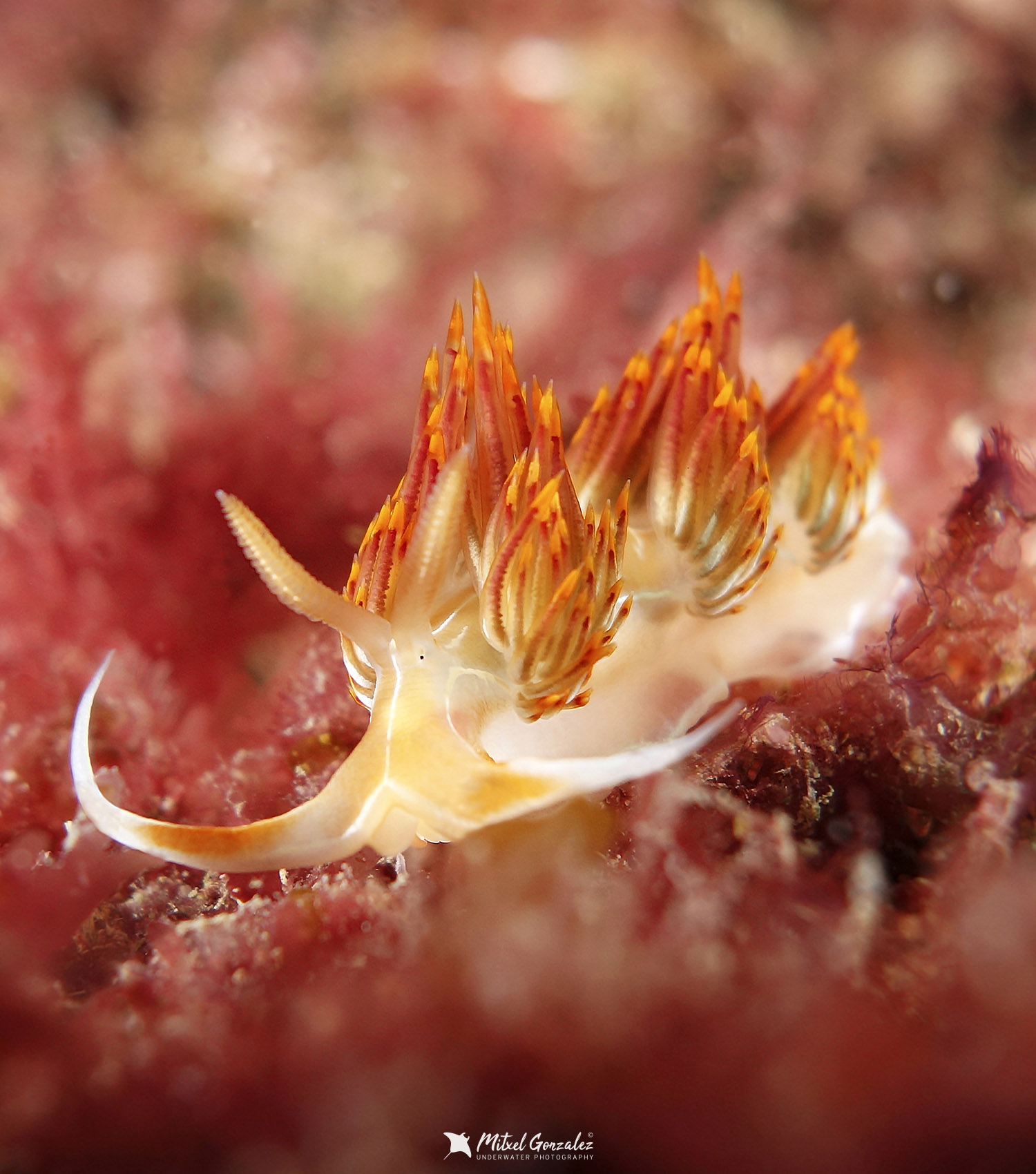
Nemesignis banyulensis is a small but striking nudibranch found in the eastern Atlantic and Mediterranean waters. Known for its translucent white body adorned with vivid orange markings and delicate cerata, this colorful sea slug is a favorite subject among underwater photographers. Like many nudibranchs, it feeds on specific hydroids and incorporates defensive compounds from its prey, making it both beautiful and well adapted to life on the reef.


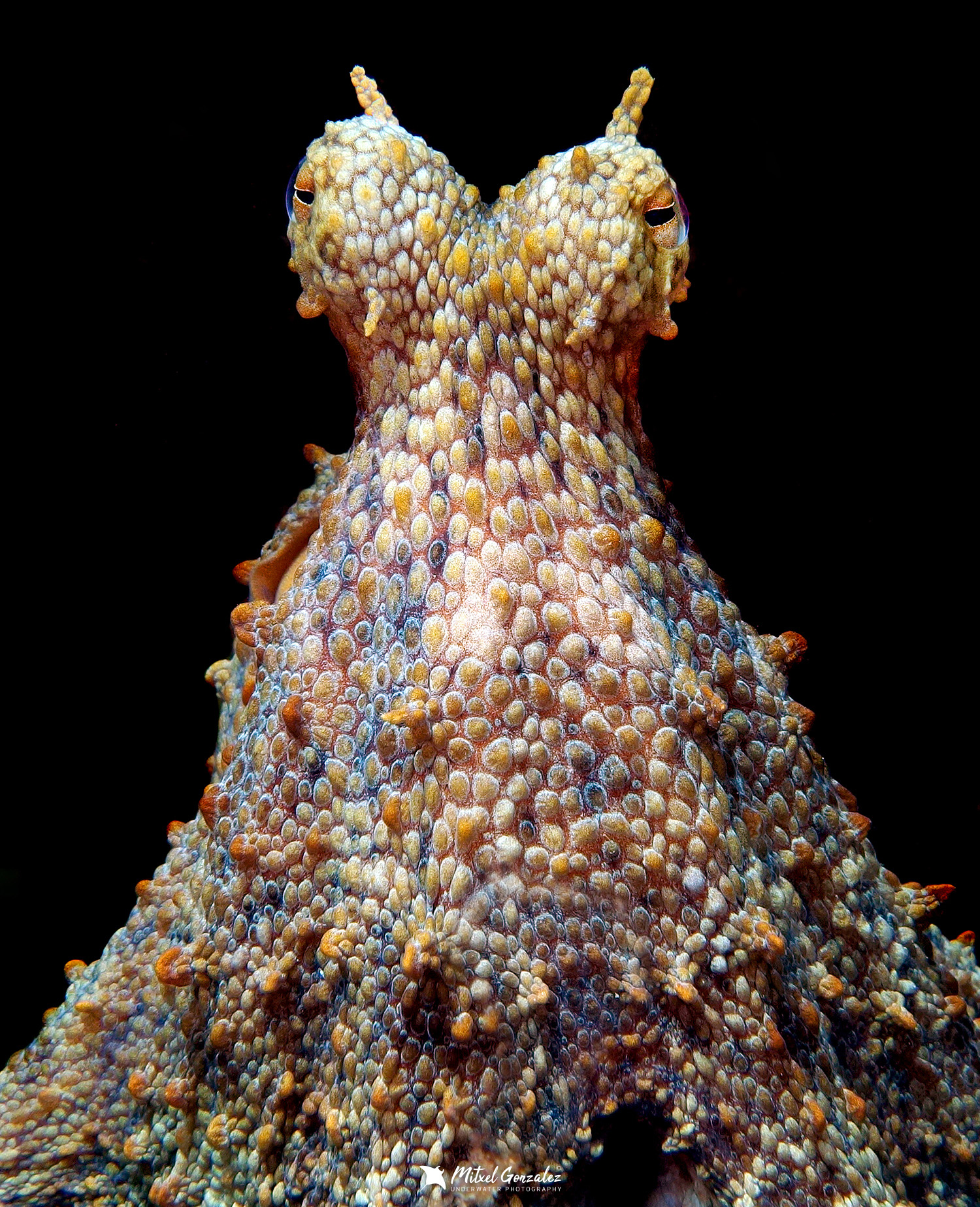
Octopus Portrait - Hondarribia, Basque Coast. Spain


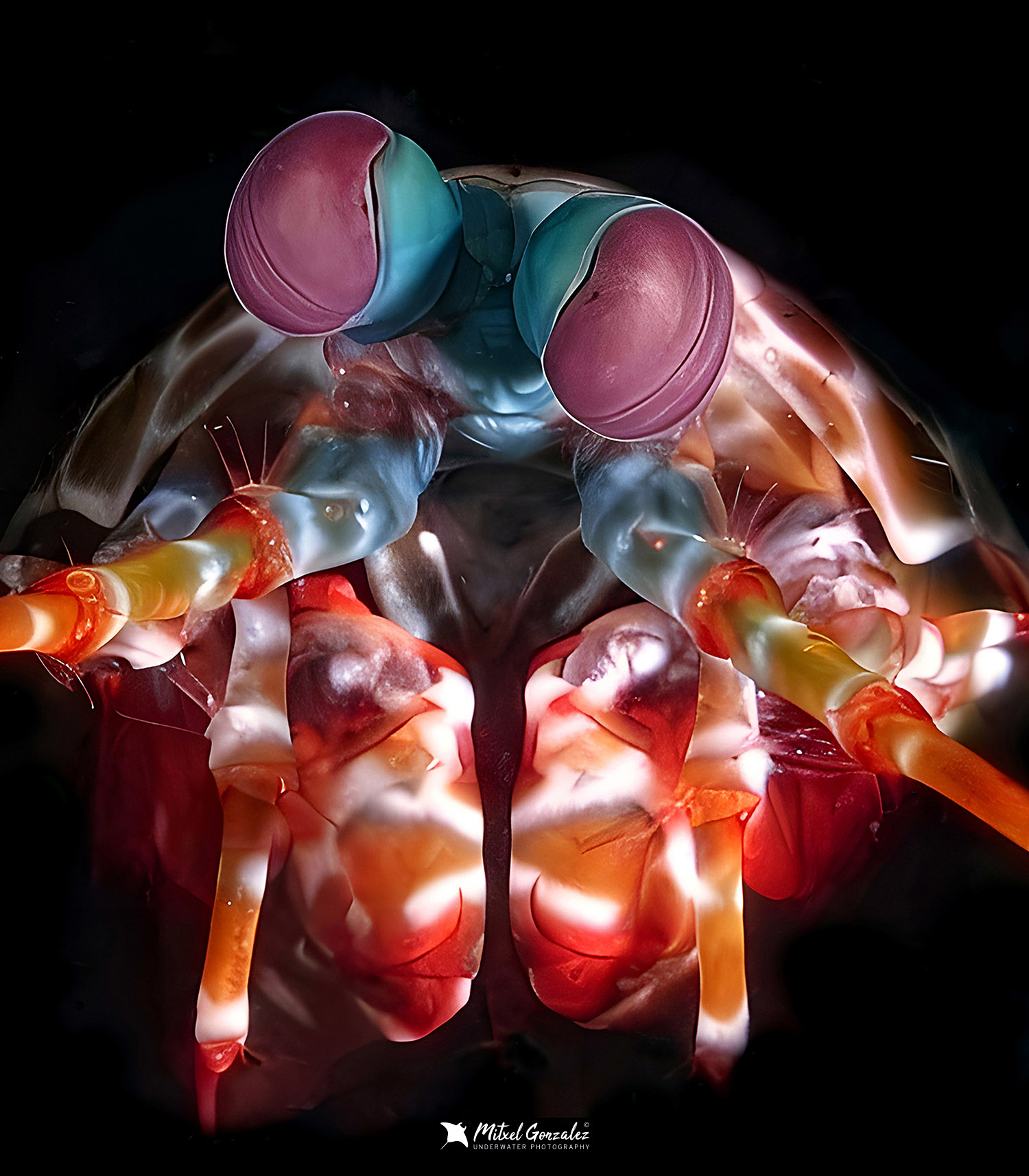
The Peacock Mantis Shrimp is one of the ocean’s most remarkable crustaceans, renowned for its brilliant colors and extraordinary hunting abilities. Found throughout the tropical Indo-Pacific, this powerful predator uses specialized club-like appendages to strike prey with incredible speed and force, capable of breaking the shells of crabs, snails, and other hard-shelled animals. Equally impressive is its highly advanced vision, considered among the most complex in the animal kingdom.


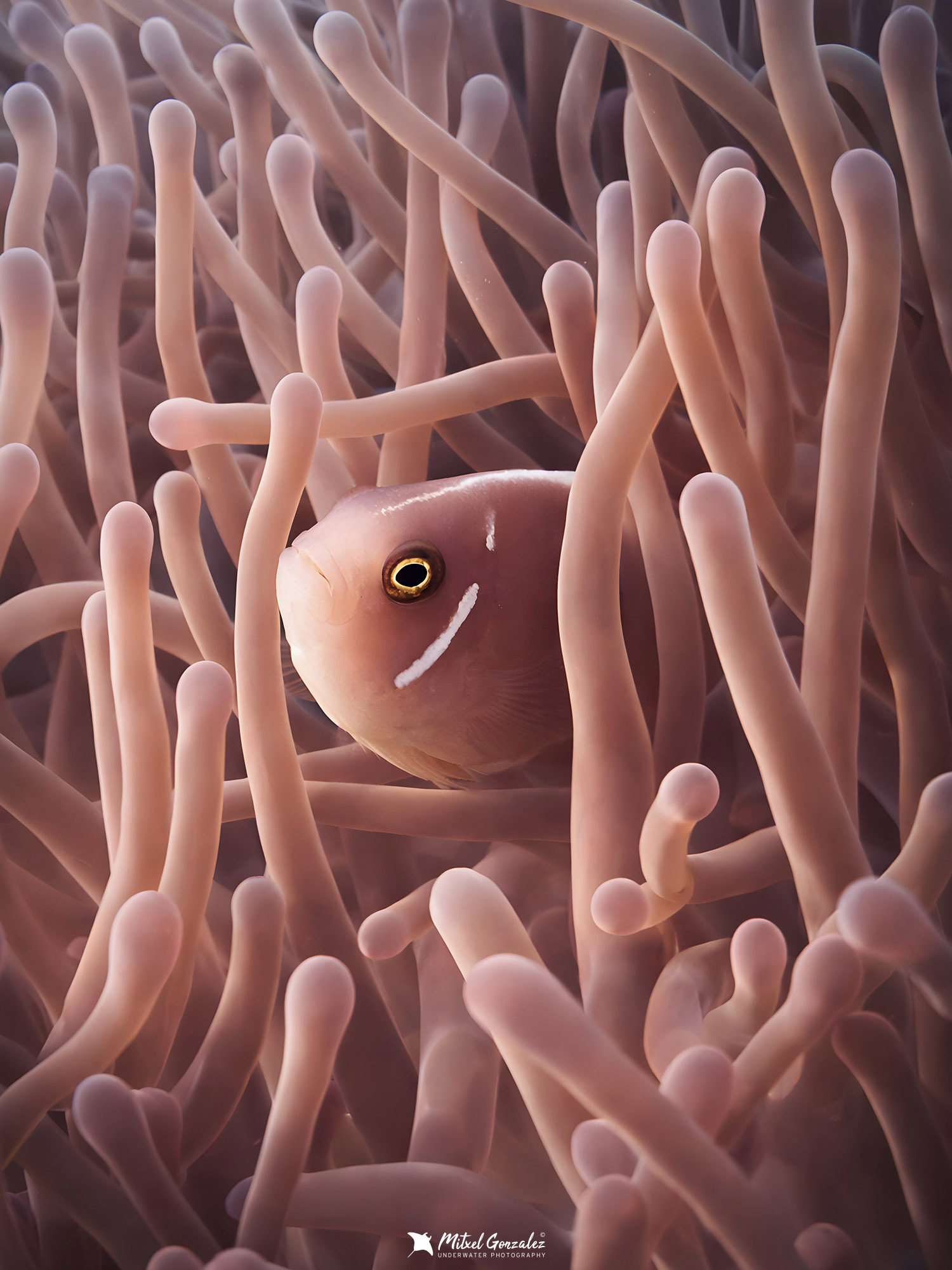
A Pink Skunk Clownfish (Amphiprion perideraion) weaving carefully through the protective tentacles of its anemone, completely at home in its environment.


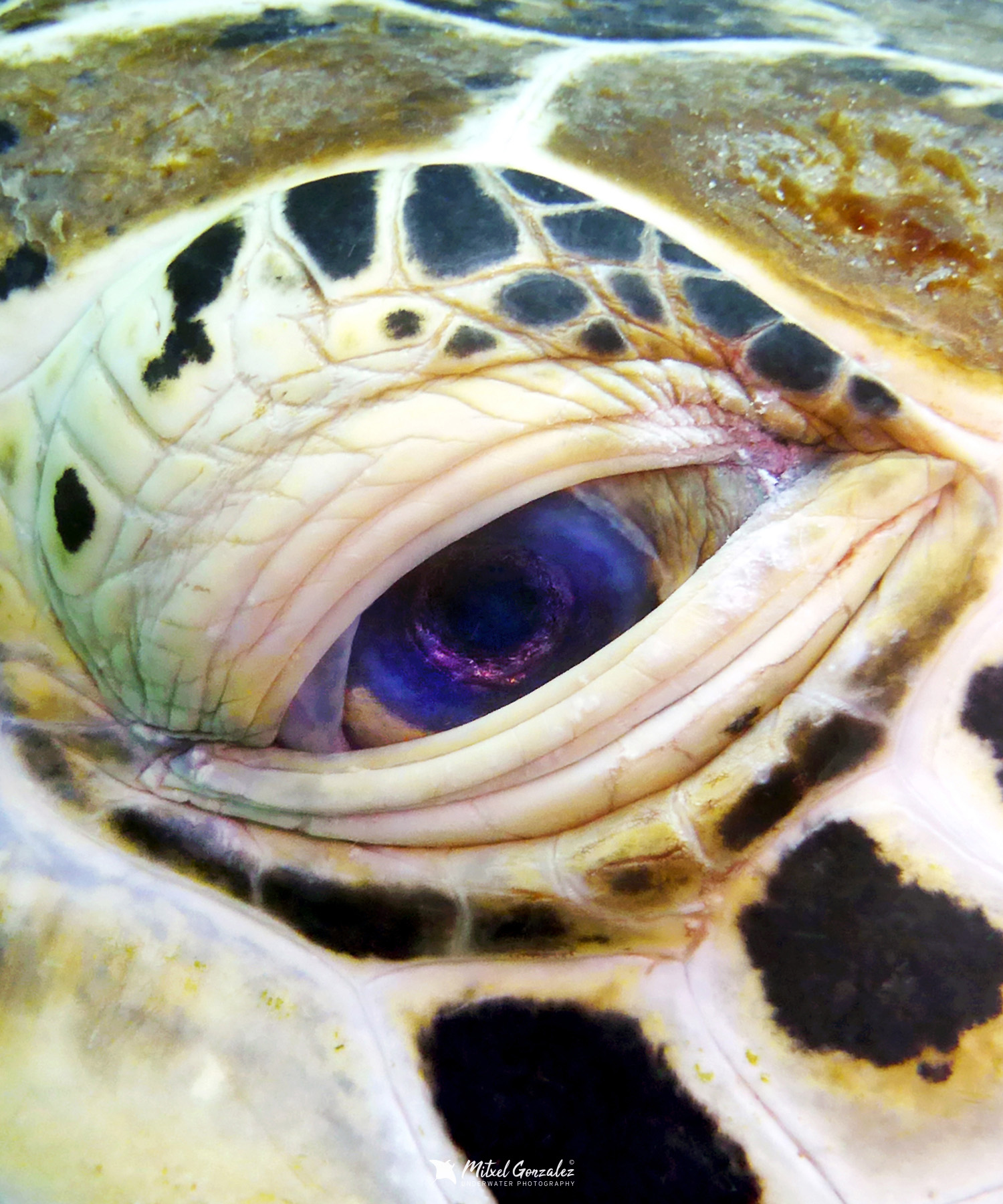
While diving in Mabul, Borneo, I had a truly mesmerizing encounter — a close look into the eye of a sea turtle. Getting this close allowed me to appreciate the incredible textures, patterns, and colors that often go unnoticed.

Every detail tells a story — the reflection of the ocean, the wisdom of an ancient traveler, and the beauty of marine life we need to protect.


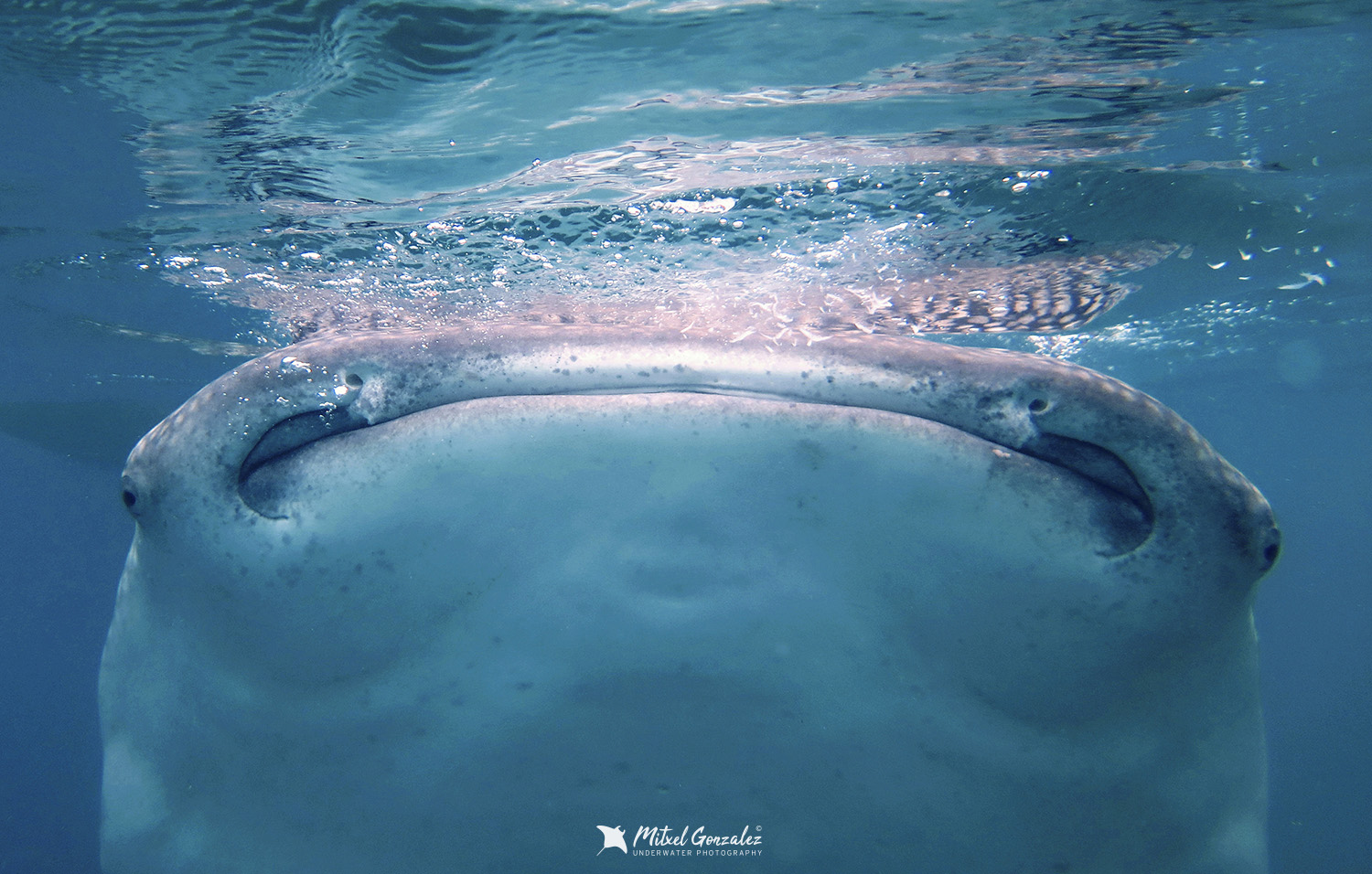
The Whale Shark is the largest fish in the ocean, reaching lengths of more than 12 meters (40 feet). Despite its immense size, this gentle giant is a filter feeder, swimming slowly through tropical and warm-temperate waters while consuming plankton, small fish, and other microscopic organisms. Its distinctive pattern of white spots and stripes makes each individual unique, much like a human fingerprint.


All Materials © Curt Bowen 2024